Why Ficem Board Thickness Matters
August 28, 2025
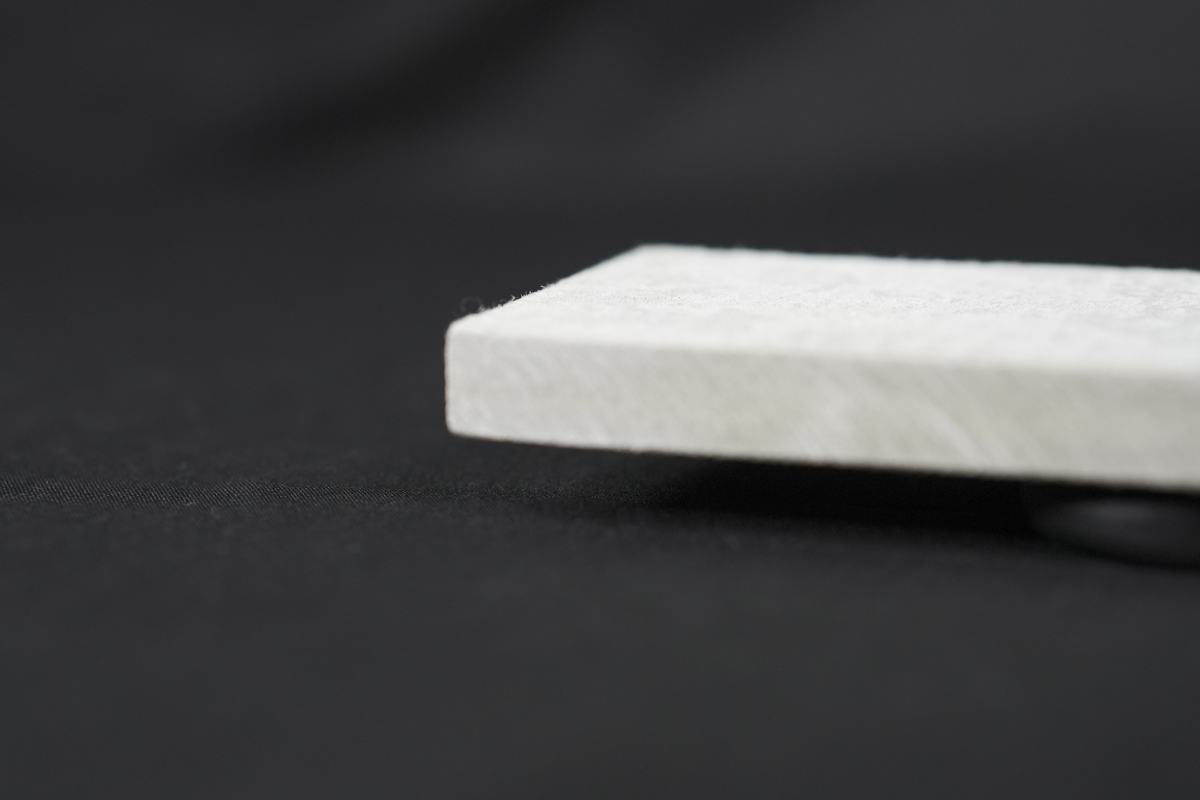
Why does the thickness of Ficem boards matter?
- Structural strength
- Impact resistance
- Thermal and acoustic insulation
- Fire resistance
- Application versatility
Overview
- Thicker Ficem boards offer greater strength, impact resistance, insulation, and fire protection, making them ideal for demanding structural and environmental applications.
- Thinner boards provide lightweight, cost-efficient solutions for interior use, offering ease of handling and installation without compromising on performance.
- Choosing the right board thickness is key to ensuring long-term durability, safety, and energy efficiency, highlighting exactly why Ficem board thickness matters.
When it comes to selecting the right materials for your construction project, Ficem boards have earned a strong reputation for reliability and performance. But beyond choosing the brand or finish, there’s one critical factor that often goes unnoticed: thickness.
That’s why in this article, we’ll walk you through the reasons why Ficem board thickness matters—ensuring long-term durability, safety, and suitability for your intended application, and help you make smarter decisions that lead to better builds.
Structural Strength
Thicker boards naturally offer higher compressive and flexural strength, making them better equipped to handle heavy loads, pressure, and bending forces. This added stiffness translates to increased durability in load-bearing and high-traffic areas.
These boards also benefit from enhanced strength when they’re reinforced with natural fibers such as abaca, rice husk, or coconut. When used in the right proportion—ideally around 5%—these fibers help distribute tensile stress more effectively across the board. This results in greater resistance to cracking and improves overall load performance.
Impact Resistance
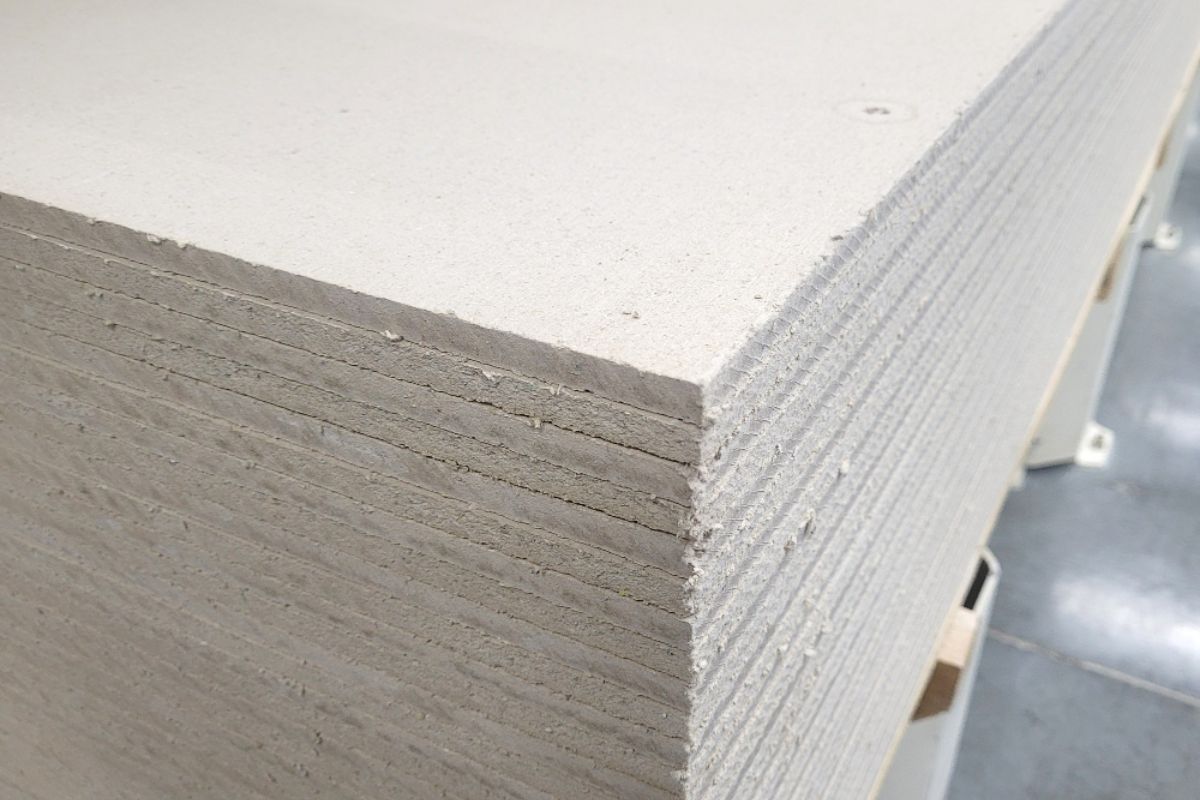
Studies have shown that thicker fiber cement panels absorb significantly more impact energy than thinner ones. Thicker boards also resist crack formation and propagation better under repeated impacts. Cracks tend to start at the bottom of the board and move upward, but thicker fiber cement boards slow down this progression, thereby preserving structural integrity for a longer period.
For demanding applications such as curtain walls, exterior cladding, or building partitions, thicker and denser fiber cement boards provide superior impact resistance and flexural strength. This combination of thickness and fiber reinforcement ensures that your construction can withstand the wear and tear of everyday use while maintaining a clean, damage-free finish.
Thermal and Acoustic Insulation
Increasing the thickness of Ficem boards naturally boosts their thermal resistance or R-value around 0.20 to 0.30 W/m·K. This means thicker boards can better insulate walls and roofs, helping maintain comfortable indoor temperatures and reducing energy costs for heating or cooling.
Studies even show that thicker boards reduce heat flow significantly. When combined with air gaps in wall assemblies, these thicker panels help lower internal heat gain and reduce overheating hours, making buildings cooler and more energy-efficient in hot climates.
Moreover, their added mass and density help improve acoustic insulation by absorbing and dampening sound waves, reducing noise transmission through walls and partitions. This feature enhances indoor comfort by minimizing external noise, an important consideration in busy urban or commercial environments.
Fire Resistance
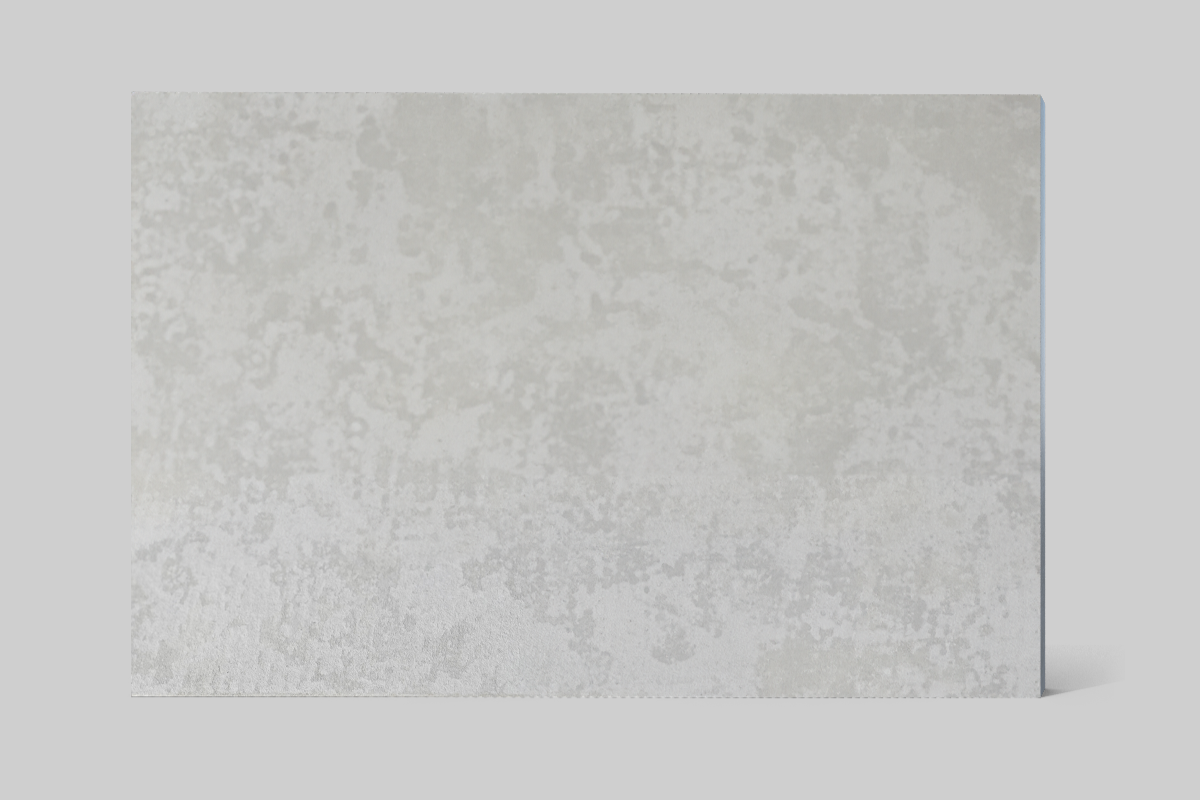
Fiber cement boards are valued for their fire-resistant properties, thanks to their cementitious matrix reinforced with fibers. These fibers maintain their reinforcing ability up to about 250 °C, while the cement matrix remains stable until roughly 450 °C.
Their thickness also plays a crucial role in fire resistance. This is because thicker boards offer greater thermal mass, slowing the penetration of heat and delaying the rise in temperature on the unexposed side, and help preserve the board’s mechanical properties longer during fire exposure.
Additionally, research indicates that although fire significantly reduces the mechanical strength of fiber cement boards, sometimes by as much as 70%, thicker boards sustain these losses over a longer period. The added thickness means more material is available to absorb and withstand thermal stress, resulting in a slower degradation process compared to thinner boards.
Application Versatility
Manufacturers produce Ficem boards in a wide range of thicknesses—from as thin as 3 mm to over 18 mm—allowing customization to meet specific structural and aesthetic requirements. This range ensures that the boards can serve varied purposes, from lightweight interior linings to heavy-duty exterior cladding.
Thicker boards, typically 12 mm and above, offer superior structural strength, durability, and resistance to impact, moisture, and fire. These qualities make them ideal for exterior applications such as wall cladding, roofing, and flooring underlayment in high-traffic or industrial environments.
Conversely, thinner boards—6 mm and below—are lightweight and easier to handle, making them suitable for interior applications like tile backing in wet areas, interior wall linings, and decorative trims.
Selecting the appropriate thickness depends on structural needs, environmental exposure, and budget considerations. This flexibility allows Ficem boards to be optimized for both residential and commercial projects, balancing performance with cost-effectiveness.
Key Takeaway
Understanding why Ficem board’s thickness matters is essential for optimizing its performance in construction projects. Selecting the right one ensures that Ficem boards meet specific building requirements, improve durability, enhance safety, and deliver long-term value.
At Excelcon, we are committed to providing high-quality Ficem boards tailored to your project needs. Contact us today to learn more about the ideal thickness options for your construction goals and experience the benefits of expertly engineered fiber cement solutions.
Recent Posts

What Buyers Should Verify Before Finalizing a Metal Furring Order
What should buyers verify before finalizing a metal furring order? Technical specifications Design and site conditions Supplier and logistics Compliance Overview Finalizing a metal furring order is crucial for maintaining a project schedule and meeting quality standards, but overlooking technical specifications, measurements, or delivery logistics can lead to installation issues and increased costs. Before ordering, […]

Key Factors to Consider When Buying Metal Furring for Your Office
What are the key factors to consider when buying metal furring for your office? Material specifications Structural and performance requirements Function within the office Cost and logistics Overview Choosing metal furring for an office requires careful evaluation beyond product labels, as material differences in gauge, coating, and compatibility affect installation efficiency and long-term reliability. Key […]

4 Common Mistakes to Avoid When Choosing Gypsum Boards for Medical Facilities
What are the common mistakes to avoid when choosing gypsum boards for your medical facilities? Using standard boards in wet areas Misinstalling fire-rated assemblies Choosing weak boards for high-traffic zones Neglecting workmanship and compliance Overview Choosing the right gypsum boards for medical facilities requires careful evaluation of factors like moisture resistance, acoustic performance, and fire […]

6 Factors Warehouse Developers Must Weigh When Choosing Ficem Boards
What are the factors warehouse developers must weigh when choosing Ficem boards? Application and location Technical specifications Performance features Cost and installation Aesthetics and design Quality and brand reputation Overview Warehouse projects require Ficem boards that withstand heavy use, moisture, and varying conditions while maintaining safety and operational efficiency. Evaluating application, technical specifications, performance features, […]