4 Common Mistakes to Avoid When Choosing Gypsum Boards for Medical Facilities
January 19, 2026
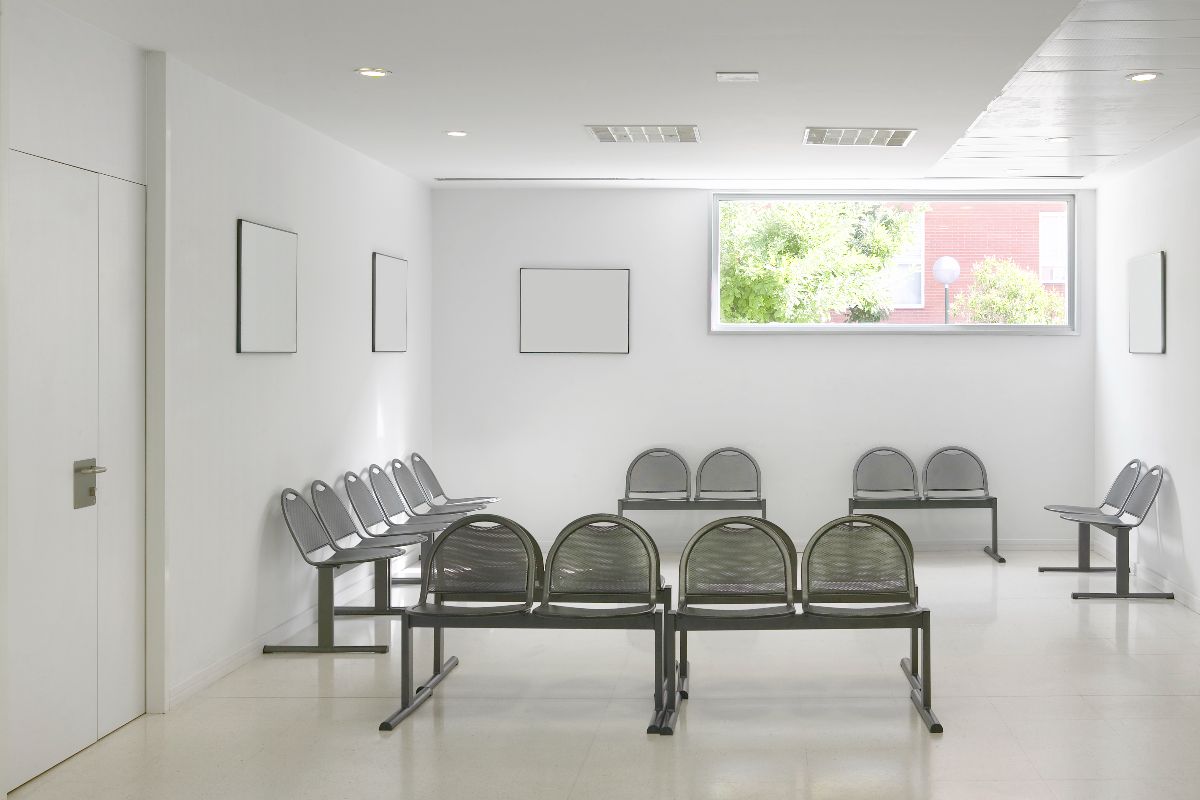
What are the common mistakes to avoid when choosing gypsum boards for your medical facilities?
- Using standard boards in wet areas
- Misinstalling fire-rated assemblies
- Choosing weak boards for high-traffic zones
- Neglecting workmanship and compliance
Overview
Choosing the right gypsum boards for medical facilities requires careful evaluation of factors like moisture resistance, acoustic performance, and fire rating to support operational needs and patient care.
Common mistakes to avoid include using standard boards in wet areas, misinstalling fire-rated assemblies, and choosing weak boards for high-traffic zones, all of which can compromise safety and durability.
Thoughtful planning and careful selection of gypsum boards today can help a medical facility adapt efficiently to evolving operational demands and regulatory standards for long-term performance.
Choosing the right gypsum boards for medical facilities requires careful evaluation. Factors such as moisture resistance, acoustic performance, and fire rating all influence how well walls support operational needs and patient care.
By understanding common selection oversights, you can make more informed choices and ensure your facility meets both functional and regulatory standards. A thoughtful approach at this stage helps streamline planning and supports long-term performance.
To guide your evaluation, this article highlights the common mistakes to avoid when choosing gypsum boards in medical facilities.
Using Standard Boards in Wet Areas
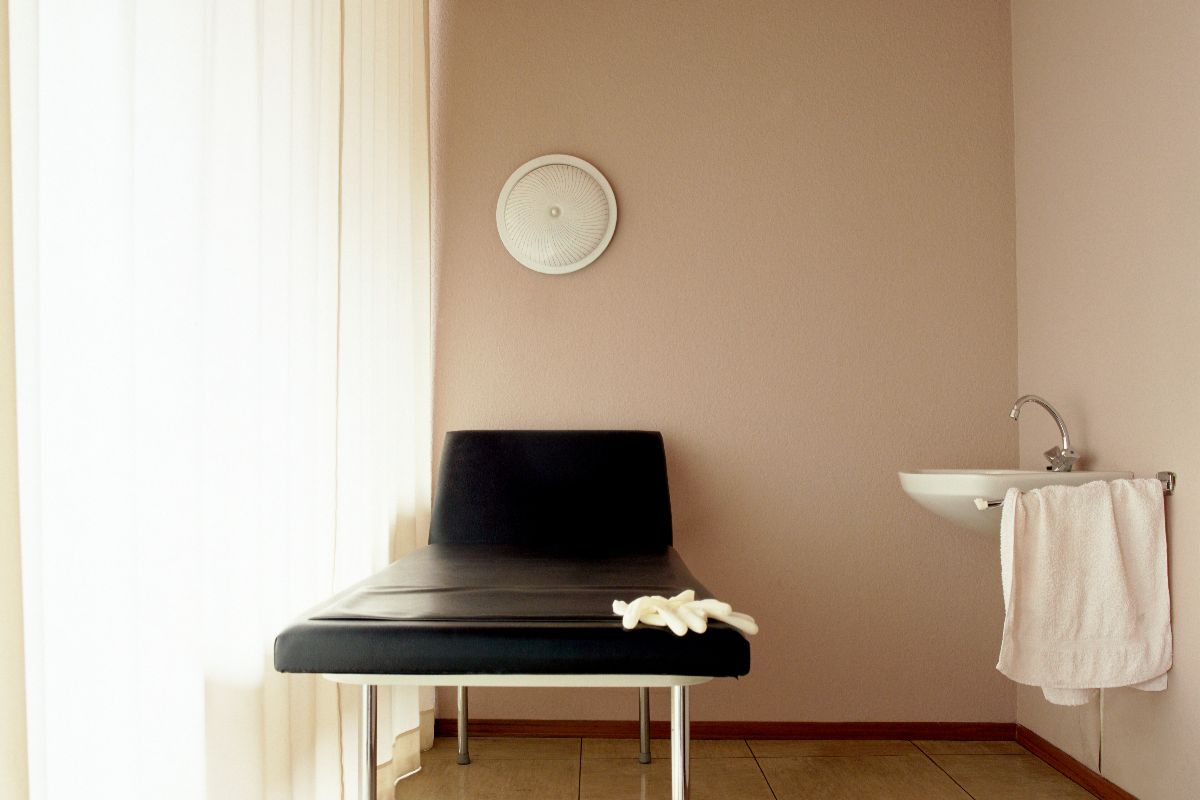
Using standard gypsum boards in areas prone to moisture, such as restrooms, kitchens, and laundry rooms, can limit long-term performance. Moisture exposure may also affect hygiene and increase maintenance needs in sensitive medical environments.
Moisture-resistant gypsum boards—often called “green board”—can be a more suitable option because they are treated to resist moisture and help reduce mold risk; this may support hospital-grade cleanliness and structural durability.
When evaluating wet-area options, you might look at expected humidity, proximity to patient-care zones, and projected maintenance cycles so you can balance durability, hygiene, and lifecycle cost.
Misinstalling Fire-Rated Assemblies
Fire-rated assemblies are an important part of the safety strategy in medical facilities, and their performance depends on correct specification and installation. Incorrect or incomplete installation can reduce a system’s intended protective value in patient areas or specialized rooms.
Specifying properly rated boards and aligning installations with manufacturer guidance and local codes tends to support compliance and the intended level of protection. Periodic verification—such as scheduled inspections—can help confirm assemblies remain consistent with expectations over time.
When comparing options, consider how an assembly will interface with HVAC, electrical, and medical-gas systems so that protection is comprehensive without disrupting clinical workflows.
Choosing Weak Boards for High-Traffic Zones
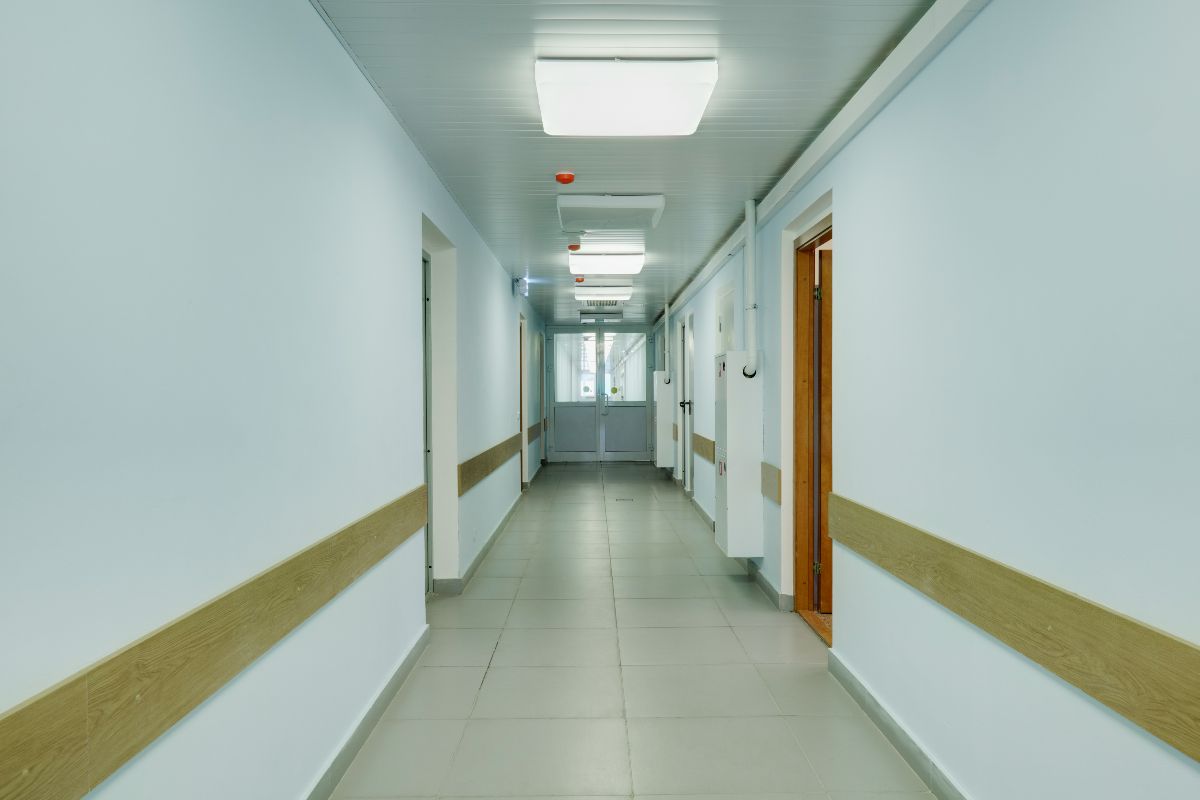
High-traffic areas like corridors, waiting rooms, and emergency departments place greater demands on wall finishes. Standard gypsum board may show wear sooner in these zones, which can increase repair frequency and affect operations.
Impact-resistant boards are designed with reinforcement that can extend service life in busy environments and reduce visible damage over time. Selecting a more robust option can therefore help minimize maintenance interruptions and preserve a professional appearance.
As you evaluate materials, it may help to review impact ratings, typical traffic patterns, and installation details to find a balance between durability, appearance, and cost.
Neglecting Workmanship and Compliance
Even quality materials depend on consistent installation to deliver expected results. Poor alignment, gaps, or inadequate sealing can undermine performance, regardless of board choice.
Working with contractors who have relevant experience often reduces the chance of common installation issues; likewise, periodic training or briefings can help teams stay aligned with current standards. These practices tend to support more predictable outcomes across projects.
When planning, you might also consider site access for maintenance and how future upgrades could affect current installations to help keep systems serviceable long term.
Tips for Choosing Reliable Gypsum Boards for Medical Facilities
Selecting gypsum boards involves more than picking a standard product; different areas in a medical facility have unique requirements. In addition to knowing common mistakes to avoid when choosing gypsum boards in medical facilities, it also helps to consider these tips:
- Assess the Environment – Look at the specific needs of each area, including moisture levels, fire safety, and traffic patterns, to help identify boards that support long-term performance and operational efficiency.
- Consult Manufacturer Specifications – Manufacturer guidelines provide useful insight into proper use and installation, helping align your choices with expected performance.
- Prioritize Compliance – Staying updated on local building codes and regulations ensures that materials meet safety standards while supporting smooth project planning.
- Invest in Quality – Choosing high-quality, reputable brands that specialize in medical facility products can enhance reliability and performance over time.
- Conduct Regular Inspections – Routine inspections allow you to identify potential issues early, maintaining the durability, hygiene, and functionality of walls throughout the facility.
Find Reliable Gypsum Boards for Your Facilities at Excelcon
At Excelcon, we understand the considerations hospital engineers face when choosing wall materials for medical environments. Our gypsum board is engineered to meet the strict operational and safety standards required in healthcare facilities.
Built to support durability, hygiene, and consistent performance, it is suitable for various areas of your building—from patient rooms to high-traffic corridors. Its reliable structure helps maintain a clean and stable interior environment. This makes it a practical choice for both everyday use and long-term facility needs.
By choosing Excelcon, you can streamline your material selection process while ensuring that your walls meet functional and regulatory expectations, providing confidence and peace of mind for years to come.
Key Takeaway
Ensuring that your facility’s essential materials meet both current and future needs does not have to be complicated. Thoughtful planning and careful selection today can help your hospital adapt efficiently to evolving operational demands and regulatory standards.
If you’re evaluating gypsum boards for hospital projects, Excelcon can support your decision-making. We offer high-quality drywall solutions designed for durability, hygiene, and safety in healthcare environments. Reach out today to explore options that fit your facility’s specific needs.
Recent Posts

What Buyers Should Verify Before Finalizing a Metal Furring Order
What should buyers verify before finalizing a metal furring order? Technical specifications Design and site conditions Supplier and logistics Compliance Overview Finalizing a metal furring order is crucial for maintaining a project schedule and meeting quality standards, but overlooking technical specifications, measurements, or delivery logistics can lead to installation issues and increased costs. Before ordering, […]

Key Factors to Consider When Buying Metal Furring for Your Office
What are the key factors to consider when buying metal furring for your office? Material specifications Structural and performance requirements Function within the office Cost and logistics Overview Choosing metal furring for an office requires careful evaluation beyond product labels, as material differences in gauge, coating, and compatibility affect installation efficiency and long-term reliability. Key […]

6 Factors Warehouse Developers Must Weigh When Choosing Ficem Boards
What are the factors warehouse developers must weigh when choosing Ficem boards? Application and location Technical specifications Performance features Cost and installation Aesthetics and design Quality and brand reputation Overview Warehouse projects require Ficem boards that withstand heavy use, moisture, and varying conditions while maintaining safety and operational efficiency. Evaluating application, technical specifications, performance features, […]

How to Compare Gypsum Board Suppliers Based on Quality, Delivery, and Price
How should you compare gypsum board suppliers? Assess product quality and specifications Evaluate cost and delivery Ensure reliability and support Overview Choosing the right gypsum board supplier ensures your warehouse project runs smoothly by balancing quality, timelines, and budget for efficient construction. Comparing suppliers based on material quality, certifications, delivery reliability, and cost transparency helps […]