What to Consider When Choosing Wall Materials for Industrial Warehouses
December 22, 2025

What should you consider when choosing wall materials for industrial warehouses?
- Durability and Strength
- Insulation and Energy Efficiency
- Moisture and Weather Resistance
- Fire Safety
- Cost
- Aesthetics and Maintenance
Overview
- Choosing industrial warehouse walls involves balancing durability, insulation, moisture and fire resistance, cost, and maintenance to ensure a safe and efficient facility.
- Materials like gypsum boards, fiber cement (Ficem) boards, each offer specific benefits for different zones and operational demands.
- Partnering with a trusted supplier like Excelcon ensures access to reliable materials and expert guidance, helping you select walls that deliver long-term performance, safety, and low-maintenance efficiency.
When it comes to industrial warehouses, walls influence airflow, temperature control, and the overall environment of your facility. Understanding their role is the first step in planning a functional and efficient warehouse space.
Warehouses face unique conditions such as high foot traffic, heavy equipment, and exposure to moisture or heat. These factors make it important to explore how different wall materials behave under operational pressures, and what characteristics can support a safe, comfortable, and durable building.
To help you get started, this article explains what to consider when choosing wall materials for an industrial warehouse, highlighting key factors that affect durability, performance, and suitability for various industrial needs.
Durability and Strength
Warehouse walls need to withstand frequent impacts and daily operations. Choosing materials with strong durability and impact resistance helps protect both your facility and stored goods.
You’ll notice that walls in high-traffic zones face wear from forklifts, pallet jacks, and general movement. Materials that resist dents, scratches, and cracks reduce maintenance interruptions, helping your warehouse operate smoothly.
Over time, investing in durable wall materials lowers repair costs and enhances the long-term value of your warehouse. Strong walls create a safer, more reliable space for your day-to-day operations.
Insulation and Energy Efficiency
Properly insulated walls help maintain consistent indoor temperatures while lowering energy expenses. Selecting materials with high thermal performance supports both comfort and operational efficiency.
Insulated walls also protect temperature-sensitive products and create a stable environment for staff. Many modern materials combine thermal efficiency with moisture resistance to ensure reliable performance in varying climates.
By moderating heat transfer, insulated walls contribute to energy savings and support long-term cost efficiency. Choosing materials that balance insulation with durability helps your warehouse perform reliably over time.
Moisture and Weather Resistance
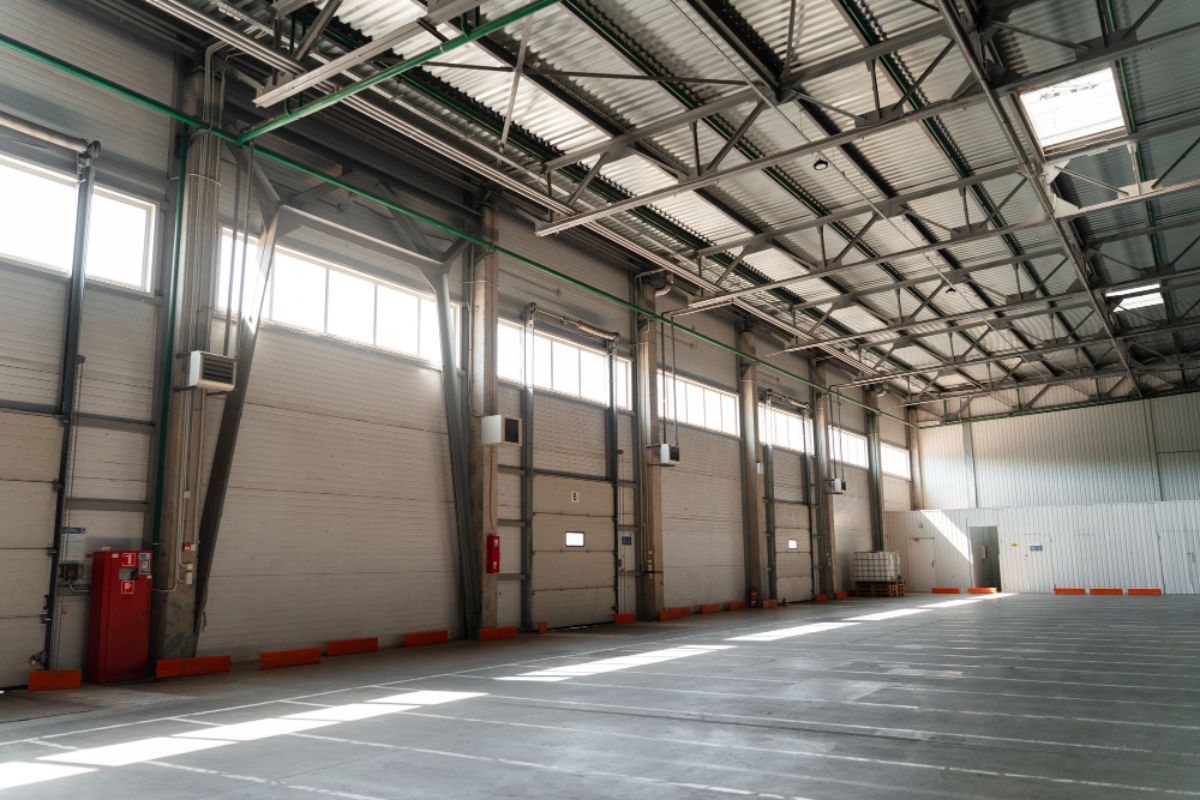
Walls that resist moisture protect your products and structural components. Materials with low water absorption and vapor transmission prevent mold, corrosion, and condensation from affecting operations.
In humid or wet climates like the Philippines, moisture-resistant walls maintain a dry, safe interior. Properly designed walls also complement insulation, keeping conditions stable and reducing energy waste.
Selecting materials that withstand environmental stress enhances long-term performance and reduces maintenance needs. Your warehouse can remain secure and efficient throughout the year with moisture-conscious choices.
Fire Safety
Warehouse walls play a key role in fire protection. Using fire-resistant materials slows flame spread and enhances safety for both personnel and assets.
Combining these walls with fire safety systems, such as sprinklers and alarms, strengthens your overall safety strategy. This layered approach minimizes potential damage and supports operational continuity during emergencies.
Durable fire-resistant walls also maintain structural integrity under extreme conditions, helping ensure your warehouse is prepared for unexpected incidents while meeting regulatory requirements.
Cost
Evaluating warehouse walls requires balancing upfront investment with long-term value. Materials with higher initial costs may provide savings through durability, energy efficiency, and lower maintenance.
Lower-cost alternatives might seem appealing initially, but could lead to higher repair or replacement expenses over time. Consider both immediate and ongoing costs when comparing options.
By assessing cost alongside durability, insulation, and fire safety, you can identify wall materials that deliver maximum value for your warehouse operations.
Aesthetics and Maintenance
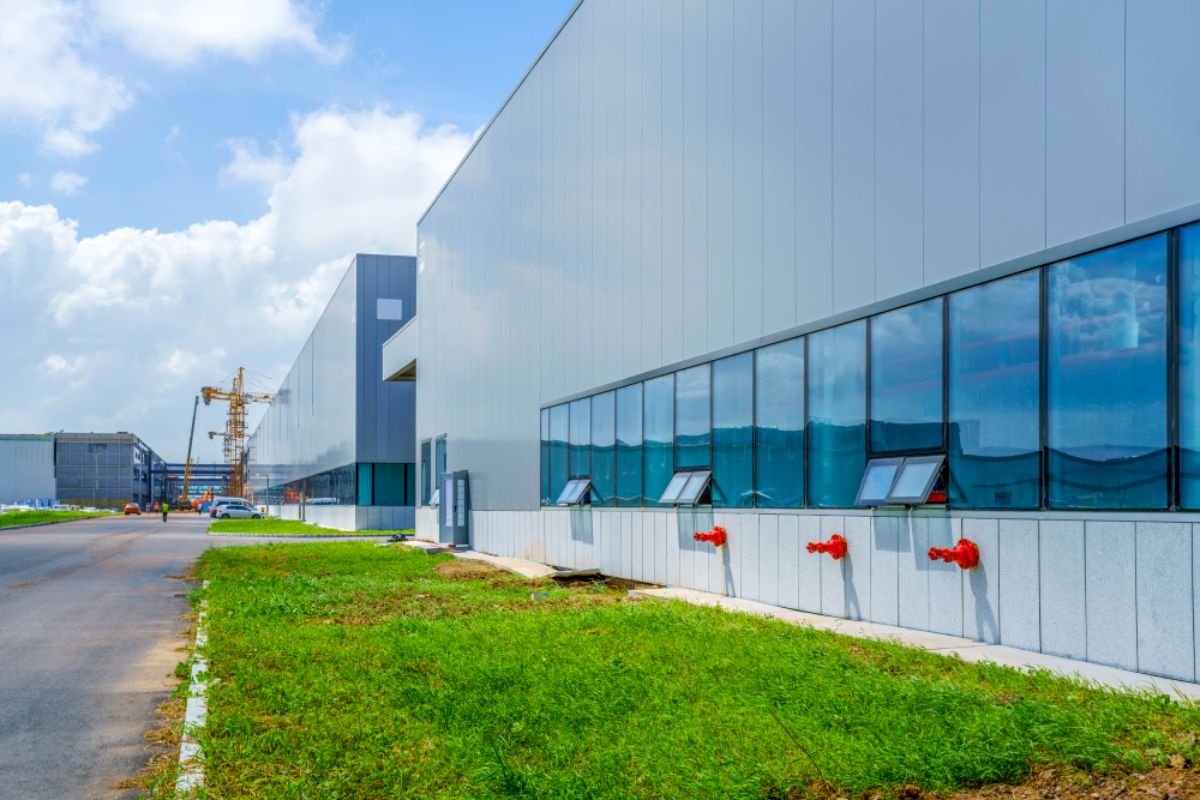
Even in industrial settings, wall appearance can impact branding and the perception of your facility. Materials that stay clean and professional-looking contribute to a positive environment.
Maintenance requirements differ by material. Some walls need regular painting or cleaning, while others retain appearance and functionality with minimal effort.
Prioritizing low-maintenance, durable walls reduces disruptions and long-term expenses. Balancing aesthetics with functionality ensures your warehouse looks organized while performing efficiently.
Types of Wall Materials to Explore
Understanding available wall materials helps you choose solutions suited to your warehouse’s operational demands. Knowing each material’s benefits allows you to match properties to your facility’s specific needs.
- Gypsum boards – Suitable for interior partitions or office spaces, offering moderate durability and easy installation in dry, controlled areas.
- Ficem (fiber cement) boards – Strong, moisture-resistant, and durable, ideal for high-traffic or semi-exposed zones.
Find Reliable Wall Materials for Your Needs at Excelcon
At Excelcon, we provide wall materials designed for the operational demands of industrial warehouses. Our solutions focus on durability, insulation, and long-term performance, supporting safe and efficient spaces.
We work alongside warehouse planners to explore materials that meet functional requirements and comply with regulations. From moisture-resistant boards to impact-tolerant panels, our offerings are tailored to common warehouse challenges.
Partnering with Excelcon gives you access to reliable materials and expert guidance throughout the planning process, helping you make decisions that balance performance, safety, and operational needs.
Key Takeaway
By understanding what to consider when choosing wall materials for an industrial warehouse, you can now make informed decisions that support long-term durability, safety, and operational efficiency.
Don’t risk weak or unsafe walls for your industrial facility. At Excelcon, we offer wall materials that are tested for strength, durability, and long-term reliability. Contact us today to get the right materials for your next warehouse project.
Recent Posts

What Buyers Should Verify Before Finalizing a Metal Furring Order
What should buyers verify before finalizing a metal furring order? Technical specifications Design and site conditions Supplier and logistics Compliance Overview Finalizing a metal furring order is crucial for maintaining a project schedule and meeting quality standards, but overlooking technical specifications, measurements, or delivery logistics can lead to installation issues and increased costs. Before ordering, […]

Key Factors to Consider When Buying Metal Furring for Your Office
What are the key factors to consider when buying metal furring for your office? Material specifications Structural and performance requirements Function within the office Cost and logistics Overview Choosing metal furring for an office requires careful evaluation beyond product labels, as material differences in gauge, coating, and compatibility affect installation efficiency and long-term reliability. Key […]

4 Common Mistakes to Avoid When Choosing Gypsum Boards for Medical Facilities
What are the common mistakes to avoid when choosing gypsum boards for your medical facilities? Using standard boards in wet areas Misinstalling fire-rated assemblies Choosing weak boards for high-traffic zones Neglecting workmanship and compliance Overview Choosing the right gypsum boards for medical facilities requires careful evaluation of factors like moisture resistance, acoustic performance, and fire […]

6 Factors Warehouse Developers Must Weigh When Choosing Ficem Boards
What are the factors warehouse developers must weigh when choosing Ficem boards? Application and location Technical specifications Performance features Cost and installation Aesthetics and design Quality and brand reputation Overview Warehouse projects require Ficem boards that withstand heavy use, moisture, and varying conditions while maintaining safety and operational efficiency. Evaluating application, technical specifications, performance features, […]