What Is Gypsum Board and Its Uses in Hospitals
December 15, 2025

Overview
- Gypsum boards (drywall) are lightweight, fire-resistant panels used in hospitals for walls and ceilings, offering hygiene, durability, and acoustic benefits.
- Their key features include fire safety, easy cleaning, sound insulation, design flexibility, and resistance to dents and moisture, making them ideal for clinical, patient, and technical areas.
- Partnering with trusted suppliers like Excelcon ensures high-quality gypsum boards, proper installation, and compliance with healthcare standards for reliable, long-lasting performance.
Hospitals require construction materials that can withstand heavy use, maintain hygiene, and comply with strict safety standards. Choosing the wrong materials can lead to frequent repairs, contamination risks, and costly delays, making it difficult to ensure a reliable healthcare environment.
One solution widely used in hospital construction is gypsum boards. Its adaptability and practical applications make it a dependable choice for walls and ceilings, helping hospitals overcome common challenges in safety, durability, and cleanliness.
In this article, we’ll take a closer look at what a gypsum board is, how it’s used in hospitals, and how it can be applied to support safer, more hygienic, and efficient healthcare spaces.
What are Gypsum Boards?
Gypsum boards, also called drywall or plasterboard, are panels designed to create smooth, fire-resistant walls and ceilings in hospitals. These wall panels consist of a gypsum plaster core pressed between two thick sheets of paper, offering a lightweight yet practical solution for healthcare construction.
Since they are easy to handle and install, drywall panels allow for faster construction or renovation compared to traditional masonry. Combined with basic sound insulation and fire resistance, they provide a reliable material choice for hospital environments where safety, hygiene, and efficiency are essential.
Key Features of a Gypsum Board
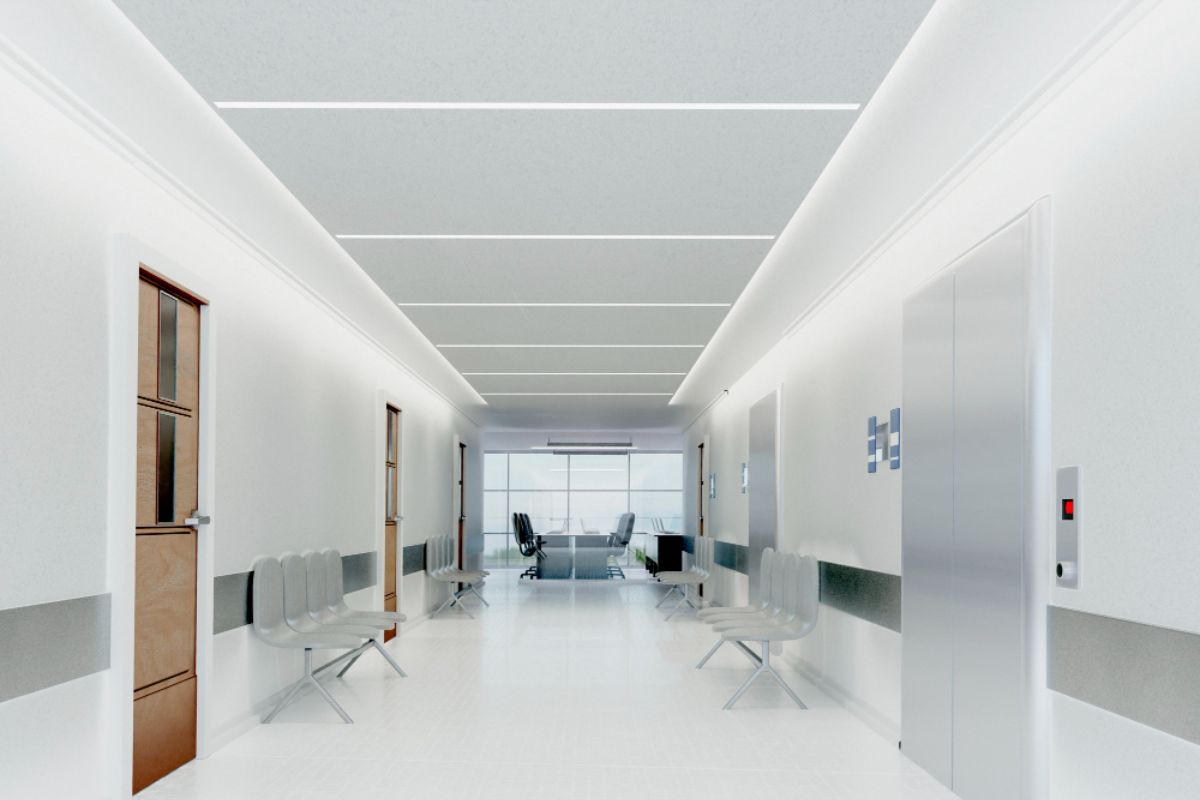
Gypsum boards bring multiple advantages that make them particularly suited for hospital use. Key features include:
Fire Safety
Gypsum’s natural fire-resistant properties help slow the spread of flames, allowing hospitals to meet strict safety codes necessary for protecting patients and staff. The chemically combined water in the board releases steam when exposed to heat, helping to retard fire and provide crucial extra time during emergencies.
Hygiene
Smooth, non-porous surfaces make drywall easy to clean and support hygiene in clinical areas. Moisture- and mold-resistant variants prevent microbial growth in damp spaces such as bathrooms, labs, and clean rooms, helping hospitals maintain safer, more sanitary conditions.
Acoustic Performance
By absorbing and blocking sound, these panels reduce noise transmission between rooms and improve acoustic performance. Quiet environments are vital for patient recovery and confidential consultations, ensuring a more restful atmosphere for patients while minimizing distractions for staff.
Design Flexibility
The versatility of interior panels allows hospital engineers to create interiors tailored to complex layouts, medical equipment installations, and aesthetic requirements. Available in various thicknesses and moisture- or mold-resistant variants, these panels support functional designs that adapt to operational needs without compromising visual appeal.
Durability
Durable surface construction lets these boards resist dents, deformation, and chemical exposure under heavy use. This resilience helps maintain structural integrity over time while reducing maintenance costs and operational disruptions in high-traffic areas.
Where Are These Boards Used
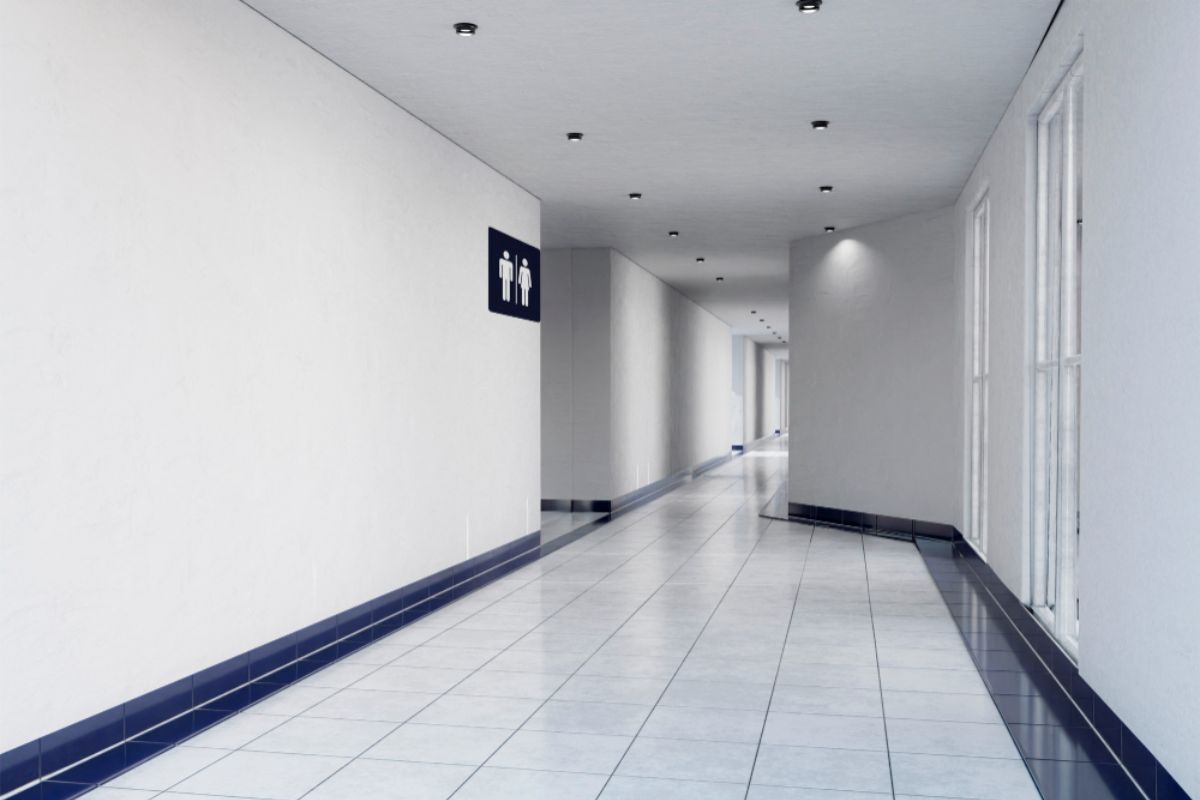
Gypsum boards are versatile materials that help hospitals create safe, hygienic, and efficient spaces. They adapt to the specific needs of different zones, from patient care areas to technical facilities.
Walls and Partitions
Drywall panels allow rapid installation of interior walls and partitions, creating room dividers and separation zones. Fire-resistant and hygienic surfaces make them ideal for patient wards, corridors, and administrative areas where both safety and cleanliness are essential.
Ceilings and Soffits
Lightweight plasterboard is commonly used for suspended ceilings and soffits, concealing ventilation ducts, wiring, and piping while improving acoustics and fire safety. This enables quicker installation and minimizes disruption in busy hospital environments.
Operating Rooms and Patient Rooms
Specialized board systems in operating and patient rooms maintain sterile, fire-safe, and acoustically controlled conditions. Moisture-resistant and antimicrobial variants help you uphold patient safety and comfort while maintaining a controlled environment for medical staff.
Clean Rooms and Isolation Areas
Enhanced moisture- and mold-resistant variants specified for clean rooms and isolation areas support strict contamination control. These panels make it easier to enforce infection control and comply with healthcare regulations, safeguarding vulnerable patients.
Find Reliable Gypsum Boards for Your Hospital at Excelcon
At Excelcon, we offer high-quality gypsum boards suitable for hospital construction projects. Our products are dependable, easy to work with, and compatible with standard hospital wall and ceiling applications. We can assist you in choosing the right type and thickness for your specific needs. This helps ensure a smooth installation process and adherence to building requirements.
With Excelcon, you get access to trusted materials and practical guidance from our team, making it easier to select boards that fit your project specifications and construction goals.
Key Takeaway
With a better understanding of what a gypsum board is and how they’re used in hospitals, you can now make informed decisions that set the foundation for safer, more efficient, and hygienic healthcare spaces. By planning ahead and partnering with reliable suppliers, you can create hospital environments that not only meet current standards but are also future-ready.
Build with materials that meet the highest standards of safety and performance. Excelcon offers quality-tested gypsum boards ideal for hospital applications, ensuring durability and hygiene in every project. Contact us today to learn more!
Recent Posts

What Buyers Should Verify Before Finalizing a Metal Furring Order
What should buyers verify before finalizing a metal furring order? Technical specifications Design and site conditions Supplier and logistics Compliance Overview Finalizing a metal furring order is crucial for maintaining a project schedule and meeting quality standards, but overlooking technical specifications, measurements, or delivery logistics can lead to installation issues and increased costs. Before ordering, […]

Key Factors to Consider When Buying Metal Furring for Your Office
What are the key factors to consider when buying metal furring for your office? Material specifications Structural and performance requirements Function within the office Cost and logistics Overview Choosing metal furring for an office requires careful evaluation beyond product labels, as material differences in gauge, coating, and compatibility affect installation efficiency and long-term reliability. Key […]
4 Common Mistakes to Avoid When Choosing Gypsum Boards for Medical Facilities
What are the common mistakes to avoid when choosing gypsum boards for your medical facilities? Using standard boards in wet areas Misinstalling fire-rated assemblies Choosing weak boards for high-traffic zones Neglecting workmanship and compliance Overview Choosing the right gypsum boards for medical facilities requires careful evaluation of factors like moisture resistance, acoustic performance, and fire […]

6 Factors Warehouse Developers Must Weigh When Choosing Ficem Boards
What are the factors warehouse developers must weigh when choosing Ficem boards? Application and location Technical specifications Performance features Cost and installation Aesthetics and design Quality and brand reputation Overview Warehouse projects require Ficem boards that withstand heavy use, moisture, and varying conditions while maintaining safety and operational efficiency. Evaluating application, technical specifications, performance features, […]