How to Vet Your Drywall Supplier: 4 Questions Procurement Teams Should Ask
September 25, 2025

What do you check when you vet a drywall supplier?
- Product range
- Quality standards and certifications
- Installation capabilities and methods
- Delivery capacity and logistics
- Track record and reputation
Overview
- Choosing a drywall supplier is crucial for project success, as operational maturity, responsiveness, and follow-through are more important than just competitive pricing.
- Key vetting factors include assessing the supplier’s product range, verifying quality standards and certifications, evaluating installation capabilities, reviewing delivery capacity and logistics, and investigating their track record and reputation.
- A reliable supplier, like Excelcon, offers certified materials and robust logistics designed for local conditions, providing technical guidance to prevent delays and ensure compliance throughout the project.
Choosing a drywall supplier isn’t a routine step. It’s a decision that directly shapes how the rest of the project unfolds. A late delivery, a spec mismatch, or poor coordination puts pressure on every stakeholder tied to the schedule.
That pressure intensifies when every bid looks qualified on paper. Pricing is easy to compare, but responsiveness, follow-through, and operational maturity are harder to assess. And yet, those factors often determine whether the job moves forward or falls behind.
This article breaks down how to vet a drywall supplier, offering a clear, practical framework for separating real partners from unreliable bids—before the contract is even signed.
Assess the Product Range
Drywall isn’t one-size-fits-all. What works for a retail fit-out might fail in a hospital or warehouse. A supplier’s product range should reflect their readiness to meet different demands—not just with stock, but with fit-for-purpose solutions.
Look for more than standard gypsum boards. Fire-rated, moisture-resistant, and acoustic drywall all serve specific compliance needs. Joint compounds, metal trims, and corner beads matter too—these complete the system and ensure installation consistency.
A broader product line reduces coordination risks and vendor juggling. It streamlines procurement and helps you stay aligned with spec—even across complex, multi-zone builds.
Verify Quality Standards and Certifications
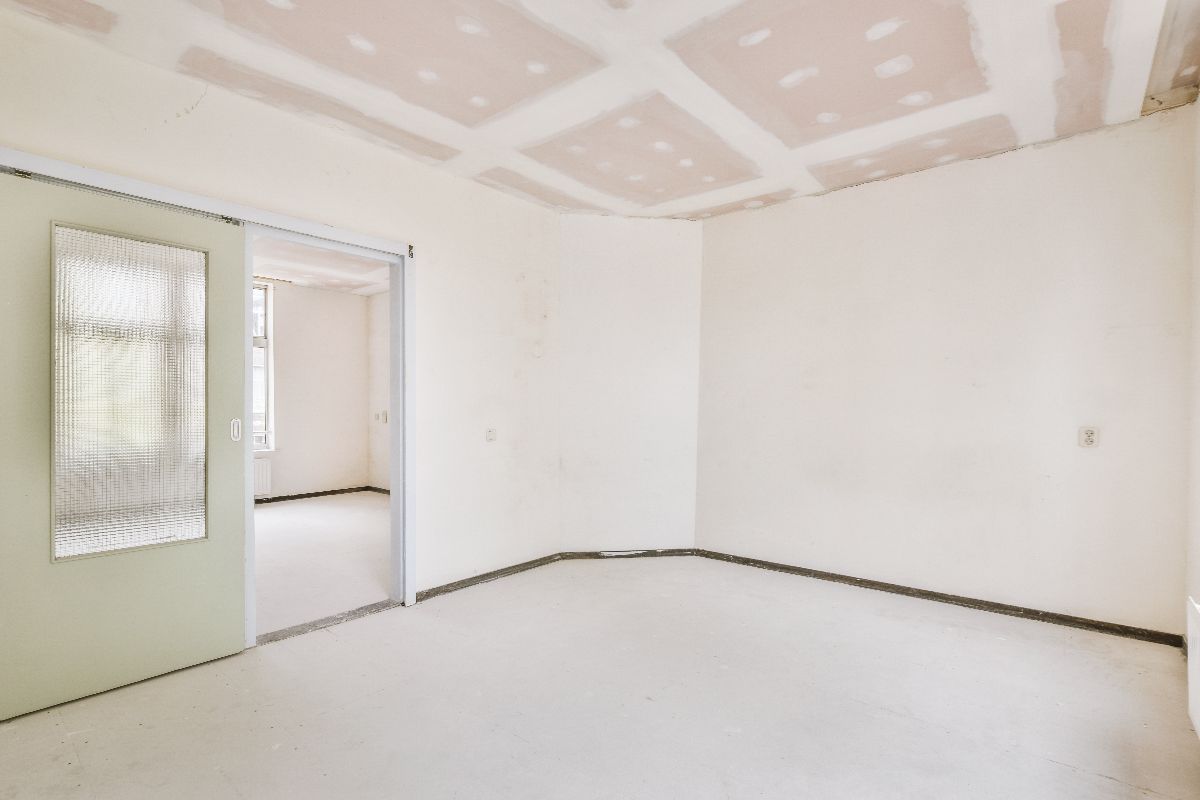
Drywall needs to do more than meet aesthetic goals—it has to meet performance and safety benchmarks. Verifying compliance early protects you from rework, legal issues, or early material failure.
Insist on materials bearing the Philippine Standard (PS) mark and third-party certifications for fire, moisture, or load resistance. These aren’t extras—they confirm the product can hold up in real-world conditions like typhoon weather or humid interiors.
Skipping this check invites swelling, mold, or structural degradation. Certified products aren’t just safer—they protect your handover and reduce the risk of future callbacks.
Evaluate Installation Capabilities and Methods
Even premium drywall fails under poor installation. Especially in hospitals, logistics sites, or classrooms, mistakes here lead to inspection failures and costly rework. That’s why technical engagement—not just delivery—should factor into your vetting.
Check if the supplier offers on-site assessments, trial installs, or installation documentation. These steps confirm the product aligns with your framing, tolerances, and sequencing methods.
Suppliers who understand how their systems behave on-site are more likely to spot issues before they become problems. That level of foresight is what separates product pushers from project partners.
Review Delivery Capacity and Logistics
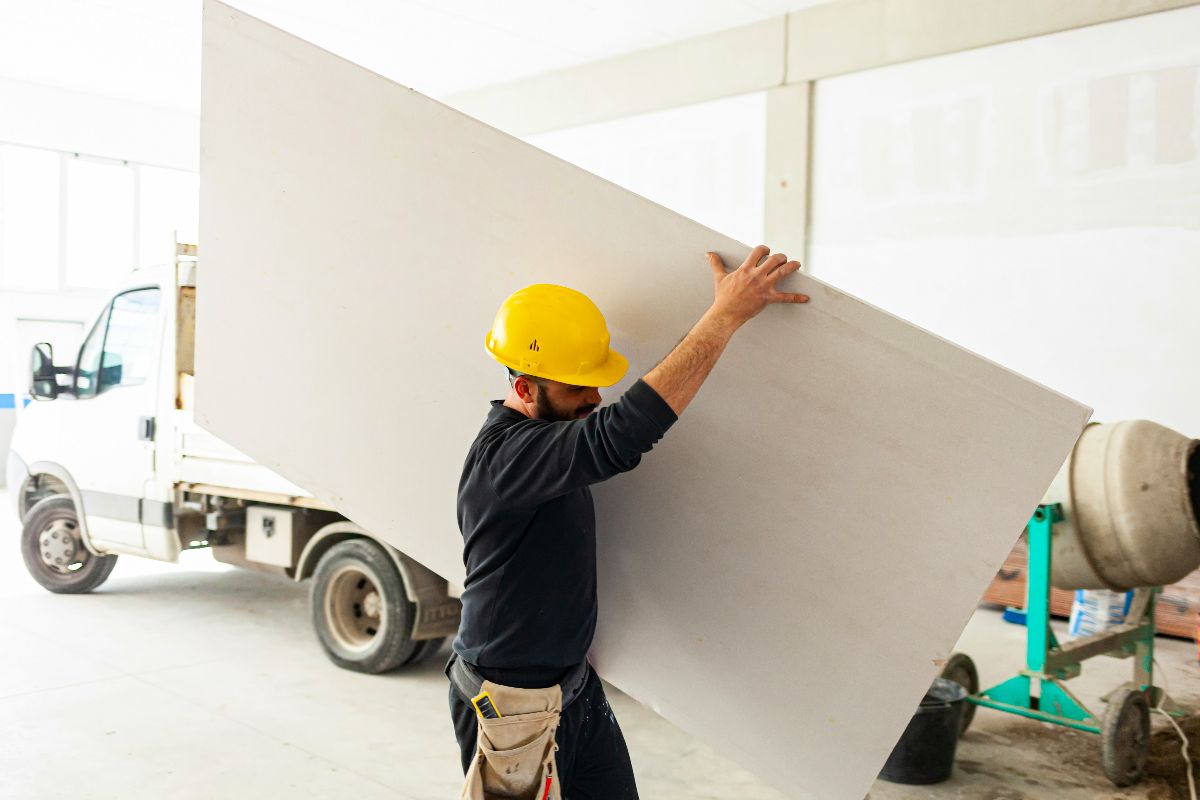
In the Philippines, logistics is a known constraint. Tight access roads, port congestion, and unpredictable weather mean late deliveries aren’t just possible—they’re likely without solid planning.
A supplier must prove they can meet your site’s delivery window and volume needs. Ask how they handle staged drop-offs, last-mile navigation, and rush orders. Do they track shipments? Can they scale deliveries mid-project?
This setup keeps your build moving and your site sequence intact. It’s not about just getting boards on-site—it’s about making sure nothing stalls once they arrive.
Investigate Track Record and Reputation
When specs and pricing are similar, track record becomes the differentiator. A supplier’s history shows how they operate under real conditions—across sectors, timelines, and pressure points.
Verify legal registration and request project-specific references. A qualified supplier should be able to show documentation, permits, and examples of work tied to sectors like healthcare, education, or commercial fit-outs. Testimonials aren’t enough—ask for outcomes, not adjectives.
This step is essential when learning how to vet a drywall supplier. It helps you sidestep marketing fluff and align with those who’ve already proven they can deliver under the same constraints you’re facing.
Key Questions to Ask a Supplier
Going beyond price means asking questions that surface a supplier’s true capabilities. These four will help you assess fit, risk, and performance upfront:
- Do you offer on-site assessments or trials? Shows willingness to validate compatibility and support before full rollout.
- What warranties do you provide? Indicates product confidence and gives you recourse if quality fails.
- How do you stay updated with building codes? Look for references to Philippine-specific standards like DPWH regulations—not vague “compliance.”
- Can you provide examples of past projects? Focus on builds similar to yours in scale, timeline, or complexity—not just big-name clients.
These aren’t just checklist items—they help stress-test the supplier’s preparedness for your project.
What Separates a Reliable Drywall Supplier from the Rest?
Most suppliers carry similar SKUs—but what matters is how they respond when your timeline, specs, and compliance are on the line. The best don’t just supply—they anticipate, adapt, and solve.
A reliable drywall supplier brings together DTI or SEC registration, certified materials, and logistics systems designed for Philippine site conditions. They know how to prevent delays, protect installation integrity, and maintain compliance.
More importantly, they offer technical guidance when it counts—flagging product risks, aligning with your install methods, and staying accountable long after the invoice is signed.
Why Partner with Excelcon for Trusted Drywall Solutions
At Excelcon, we understand drywall is more than a line item—it’s a system that must perform in the field. That’s why we approach supply as a risk-mitigation role, not just fulfillment.
Our catalog includes standard and specialized drywall—fire-rated, moisture-resistant, acoustic panels—plus accessories and fasteners fit for local conditions. But what sets us apart is our service: responsive logistics, technical documentation, and pre-delivery coordination designed for Philippine construction challenges.
When you work with Excelcon, you get more than certified materials. You gain a supply partner who understands compliance, sequencing, and the pressure to get things right the first time.
Key Takeaway
With this guide, you can vet drywall suppliers not just for cost or stock—but for how well they perform under pressure. The right partner won’t just deliver—they’ll help you avoid delays, defects, and downstream risk before a single board is installed.
Don’t take chances with your drywall supplier. Excelcon offers reliable service and quality-tested gypsum boards for dependable builds. Contact us today to get the right materials for your next project.
Recent Posts

What Buyers Should Verify Before Finalizing a Metal Furring Order
What should buyers verify before finalizing a metal furring order? Technical specifications Design and site conditions Supplier and logistics Compliance Overview Finalizing a metal furring order is crucial for maintaining a project schedule and meeting quality standards, but overlooking technical specifications, measurements, or delivery logistics can lead to installation issues and increased costs. Before ordering, […]

Key Factors to Consider When Buying Metal Furring for Your Office
What are the key factors to consider when buying metal furring for your office? Material specifications Structural and performance requirements Function within the office Cost and logistics Overview Choosing metal furring for an office requires careful evaluation beyond product labels, as material differences in gauge, coating, and compatibility affect installation efficiency and long-term reliability. Key […]

4 Common Mistakes to Avoid When Choosing Gypsum Boards for Medical Facilities
What are the common mistakes to avoid when choosing gypsum boards for your medical facilities? Using standard boards in wet areas Misinstalling fire-rated assemblies Choosing weak boards for high-traffic zones Neglecting workmanship and compliance Overview Choosing the right gypsum boards for medical facilities requires careful evaluation of factors like moisture resistance, acoustic performance, and fire […]

6 Factors Warehouse Developers Must Weigh When Choosing Ficem Boards
What are the factors warehouse developers must weigh when choosing Ficem boards? Application and location Technical specifications Performance features Cost and installation Aesthetics and design Quality and brand reputation Overview Warehouse projects require Ficem boards that withstand heavy use, moisture, and varying conditions while maintaining safety and operational efficiency. Evaluating application, technical specifications, performance features, […]