How to Install a Gypsum Board
July 3, 2025
Overview
- Gypsum boards are widely used in construction for their durability, fire resistance, and smooth finish, making them ideal for walls and ceilings.
- Installing gypsum boards properly results in professional-quality walls and ceilings that last longer and look flawless with minimal upkeep.
- Excelcon provides high-quality gypsum boards and hassle-free installation services, offering a complete solution with engineering support and manpower to ensure a seamless construction process.
Gypsum boards are a staple in every construction project — commonly used for walls and ceilings due to their durability, fire resistance, and smooth finish. They provide a cost-effective and efficient way to create sturdy interior surfaces while allowing for easy customization through painting or texturing.
Whether you’re working on a residential or commercial project, following the proper steps will help prevent cracks, uneven surfaces, and long-term maintenance issues. In this guide, we’ll walk you through a simple, step-by-step process to install gypsum boards efficiently and achieve the best results.
How to Install a Gypsum Board?
Proper gypsum board installation is key to achieving smooth, durable walls and ceilings. By taking the time to install gypsum boards correctly, you enhance the strength and appearance of your walls while ensuring they last for years. Let’s go through each step in detail to help you achieve a professional-quality finish.
Measure and Cut the Boards
Before anything else, you need to make sure your gypsum boards fit perfectly. Measuring carefully means you’ll have clean edges and fewer gaps, which makes everything easier to install and finish. If your measurements are off, you might end up with awkward gaps or boards that don’t align properly, making your walls look messy and uneven.
Cutting the boards to the right size also helps reduce waste and save money. If you cut too much, you’ll need to replace boards or use extra joint compound to fix mistakes.
Attach the Boards to the Frame
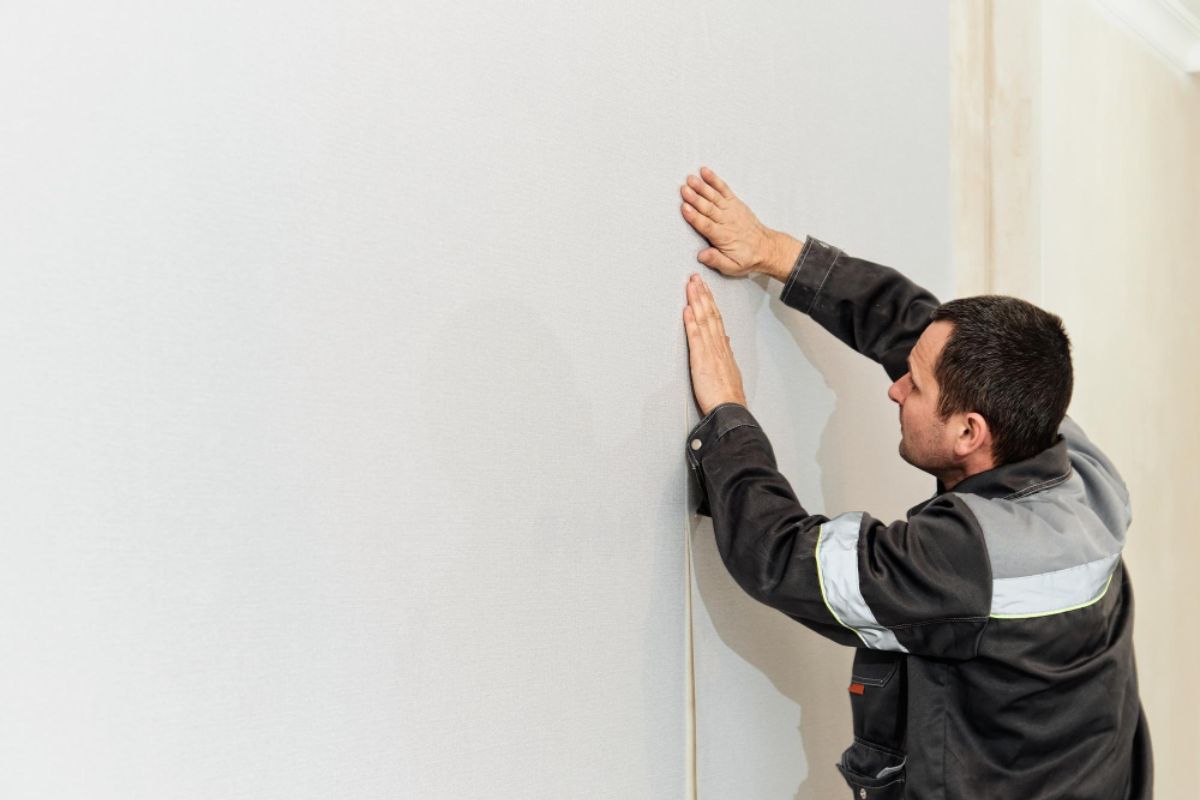
Once your boards are cut, they need to be properly secured to the frame. This step is important because it keeps the wall stable and prevents movement that could lead to cracks or loose panels. If the boards aren’t attached firmly, they may shift over time, making the surface uneven and causing future repairs.
Using the right number of screws and placing them at the correct distance apart helps keep the board flat and secure. Screws that are too far apart can cause weak spots, while screws too close to the edges might crack the board.
Tape the Seams
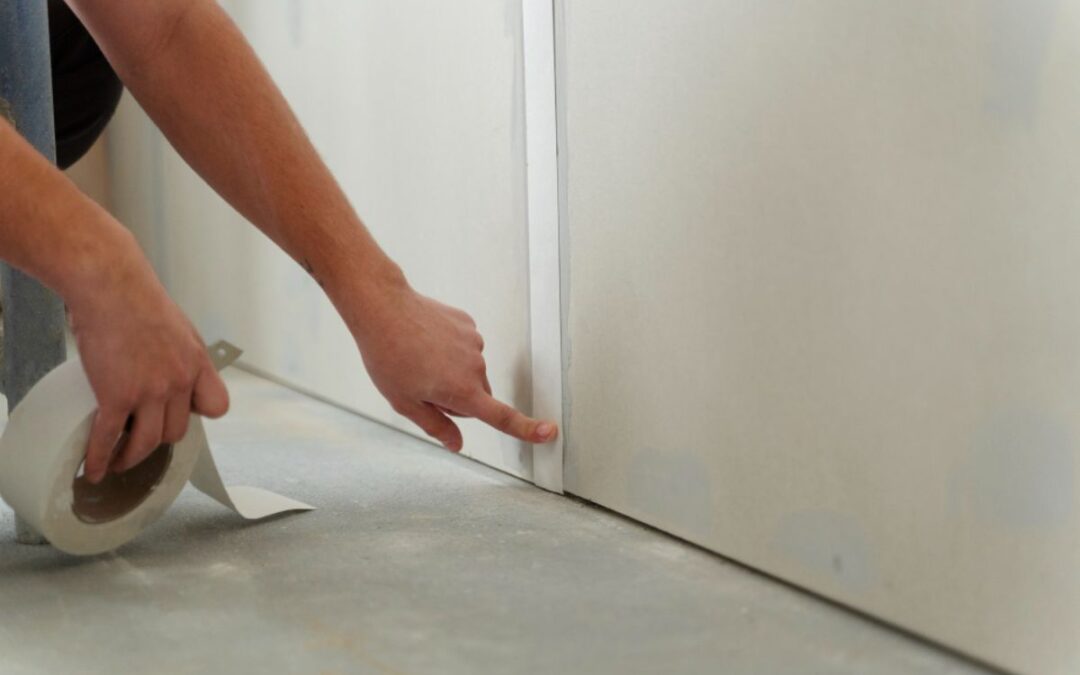
Taping the seams is what makes your wall look like a single, smooth surface instead of separate panels. Without tape, the joints between boards could crack or show through the paint, ruining the final look.
Using the right tape is also key. Paper tape is strong and works well for straight seams, while mesh tape is more flexible and good for areas that might expand or shift over time. Doing this correctly ensures that the joint compound sticks well, creating a seamless finish that won’t crack or separate later on.
Apply Joint Compound
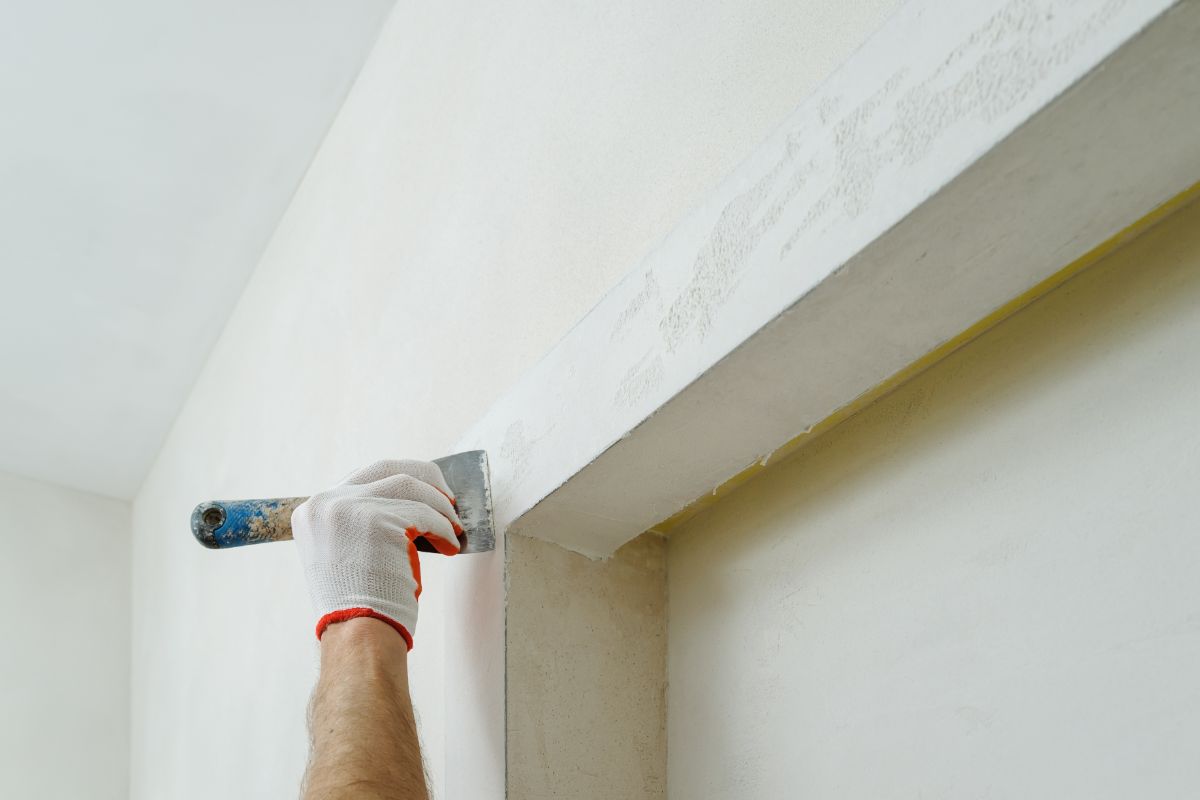
Joint compound is what smooths out the entire surface of the wall. It fills in gaps, covers screws, and blends the seams together so the boards look like one solid piece. Without it, you’d see visible lines and uneven spots, which would make the wall look unfinished.
Applying multiple layers helps reinforce the seams and makes them less likely to crack over time. The smoother the compound is applied, the less sanding is needed later, saving time and effort.
Prime and Paint
Priming the gypsum board is essential because it seals the surface and helps the paint stick evenly. Without primer, the paint might absorb unevenly, leading to dull patches or streaks. The primer also protects the drywall from moisture, helping prevent damage over time.
Painting is the final step that brings the whole project together. It adds color and personality to the space while also making the walls easier to clean and maintain. The right paint finish can hide small imperfections or make surfaces more durable, depending on your needs.
With proper priming and painting, your walls will not only look great but also last for years with minimal upkeep.
Key Takeaway
Understanding how to install gypsum board is essential for achieving smooth, durable, and professional-looking walls and ceilings. Each step in the process—from measuring and cutting to taping, applying joint compound, and painting—plays a crucial role in ensuring long-lasting quality.
At Excelcon, we provide high-quality gypsum boards to meet your construction needs. But if you want to save yourself from the hassle of installation, let us handle it for you! We offer comprehensive installation services, along with engineering support and manpower solutions, ensuring a seamless and stress-free experience.
Whether you need just the materials or a full-service solution, we’ve got you covered. Contact us today to get the best gypsum boards and expert installation for your project!
Recent Posts

What Buyers Should Verify Before Finalizing a Metal Furring Order
What should buyers verify before finalizing a metal furring order? Technical specifications Design and site conditions Supplier and logistics Compliance Overview Finalizing a metal furring order is crucial for maintaining a project schedule and meeting quality standards, but overlooking technical specifications, measurements, or delivery logistics can lead to installation issues and increased costs. Before ordering, […]

Key Factors to Consider When Buying Metal Furring for Your Office
What are the key factors to consider when buying metal furring for your office? Material specifications Structural and performance requirements Function within the office Cost and logistics Overview Choosing metal furring for an office requires careful evaluation beyond product labels, as material differences in gauge, coating, and compatibility affect installation efficiency and long-term reliability. Key […]
4 Common Mistakes to Avoid When Choosing Gypsum Boards for Medical Facilities
What are the common mistakes to avoid when choosing gypsum boards for your medical facilities? Using standard boards in wet areas Misinstalling fire-rated assemblies Choosing weak boards for high-traffic zones Neglecting workmanship and compliance Overview Choosing the right gypsum boards for medical facilities requires careful evaluation of factors like moisture resistance, acoustic performance, and fire […]

6 Factors Warehouse Developers Must Weigh When Choosing Ficem Boards
What are the factors warehouse developers must weigh when choosing Ficem boards? Application and location Technical specifications Performance features Cost and installation Aesthetics and design Quality and brand reputation Overview Warehouse projects require Ficem boards that withstand heavy use, moisture, and varying conditions while maintaining safety and operational efficiency. Evaluating application, technical specifications, performance features, […]