How Thick is a Gypsum Board?
May 15, 2025
Overview
- The thickness of your gypsum board affects durability, soundproofing, fire resistance, and moisture protection, making it essential to select the right one for your project.
- Ceilings typically use thinner boards, while walls and high-traffic areas benefit from thicker options for added strength and durability.
When choosing a gypsum board for your project, thickness plays a crucial role in durability, soundproofing, and fire resistance. With various options available, selecting the right panel ensures your walls and ceilings meet both structural and design requirements.
Standard sizes range from lightweight sheets ideal for ceilings to denser options suited for high-traffic areas. Whether you need a thin layer for a smooth finish or a reinforced panel for added strength, understanding the different thicknesses helps you make an informed decision. Let’s explore the most common variations and their best applications.
How Thick is a Gypsum Board?
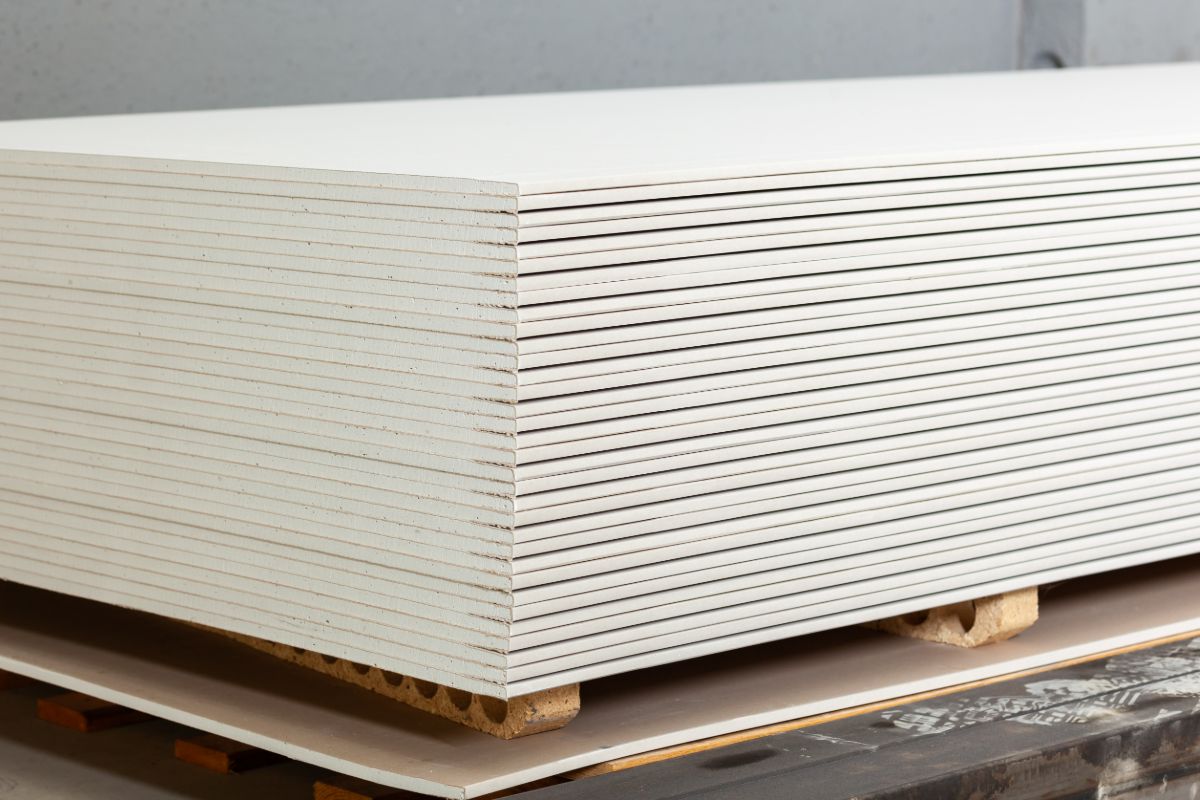
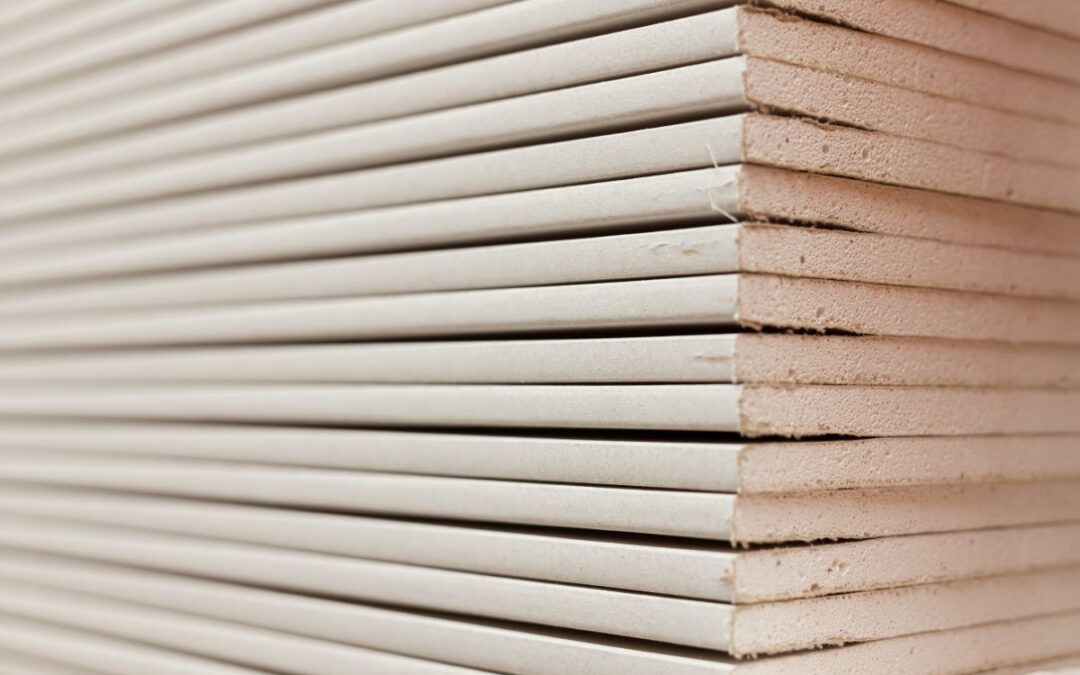
Gypsum boards come in various thicknesses, each suited for specific construction needs. Standard options range from 9mm to 16mm, with thinner sheets commonly used for ceilings and thicker ones providing durability for walls and high-traffic areas.
At Excelcon, we offer premium options in 9mm, 10mm, 12mm, and 16mm to accommodate different applications. Our selection comes from trusted brands like Knauf, Gyproc, Eastberg, and USG Boral, ensuring top-quality performance.
Whether you need standard wall panels or specialized variants with fire, moisture, or impact resistance, we have the right fit for your project.
How Do You Choose the Right Thickness for Your Project?
Selecting the right thickness isn’t just about preference—it impacts durability, sound insulation, moisture resistance, and fire safety. Choosing the wrong one could lead to unnecessary repairs, poor performance, or even safety risks. So, how do you determine the best option?
Determine the Application and Installation Area
The first factor to consider is where the material will be used. For ceilings, lighter options around 9mm or 10mm help prevent sagging. Walls, however, need more stability—12mm is the standard for most residential and commercial spaces, balancing strength and ease of installation. In high-traffic areas like schools, offices, and hospitals, 16mm provides extra durability, reducing the risk of dents and cracks over time.
Assess Soundproofing Requirements
If noise reduction is a priority, thickness plays a key role. Boards measuring 12mm or 16mm naturally block more sound, making them ideal for offices, hotels, apartments, and home theaters. For even better acoustic performance, consider layering multiple sheets or using specialized soundproof variants.
Consider Moisture and Humidity Levels
In moisture-prone areas like bathrooms, kitchens, basements, and laundry rooms, standard options may absorb water over time, leading to warping or mold growth. A thicker, moisture-resistant board is the smarter choice in these environments. Proper ventilation and sealing further enhance longevity.
Evaluate Fire Safety Standards
Fire resistance is crucial in commercial buildings, hospitals, and high-rise residences. Fire-rated boards help slow flame spread, providing crucial time for evacuation and minimizing property damage. Opting for 12mm or 16mm ensures compliance with safety codes and enhances protection.
Check for Durability and Impact Resistance
Spaces with high foot traffic—such as hallways, schools, and commercial establishments—require tougher materials. A 16mm board offers superior impact resistance, reducing maintenance costs and prolonging wall integrity.
Where Can You Use This?
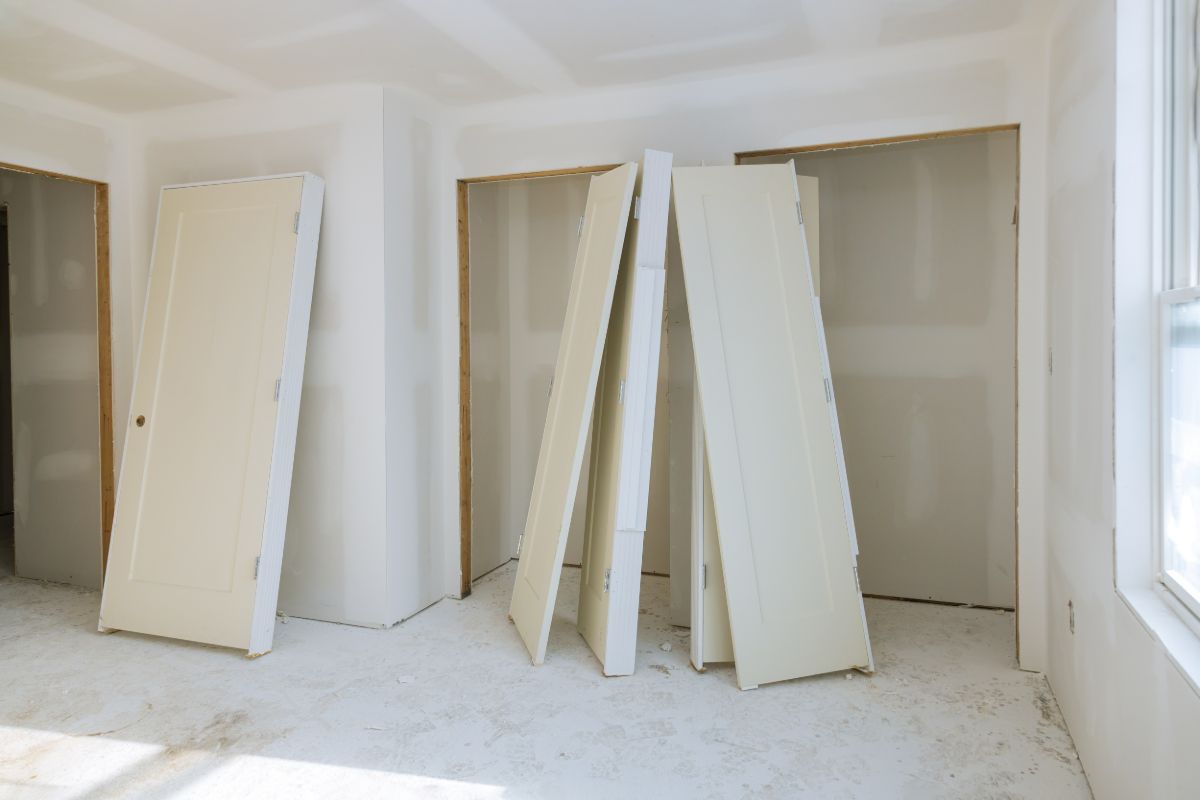
Gypsum board is one of the most versatile building materials, making it a popular choice for residential, commercial, and industrial applications. Its lightweight nature, smooth finish, and ease of installation allow it to be used in a wide range of projects, from home interiors to large-scale office buildings.
Here’s where these panels are commonly used:
- Residential Spaces: Perfect for interior walls, ceilings, and partitions, offering a clean and modern finish with easy customization.
- Commercial Establishments: Widely used in offices, hotels, and retail stores for partitions, suspended ceilings, and decorative elements.
- Industrial Facilities: Fire-resistant and moisture-resistant gypsum boards are ideal for warehouses, factories, and production areas.
- Educational and Healthcare Institutions: Schools, universities, and hospitals benefit from gypsum boards for soundproofing and safety.
- Entertainment and Hospitality Venues: Theaters, auditoriums, and event spaces rely on gypsum boards for their acoustic properties and design flexibility.
Key Takeaway
Understanding how thick a gypsum board is and how it affects different applications allows you to make informed decisions, whether for residential walls, commercial partitions, or industrial spaces. By considering these factors, you can select the best option to meet your needs.
At Excelcon, we offer high-quality gypsum boards in various thicknesses to suit any project requirement. Whether you need standard or specialized boards, our selection from trusted brands ensures top-tier performance. Contact us today to find the perfect gypsum board for your next build!
Recent Posts

What Buyers Should Verify Before Finalizing a Metal Furring Order
What should buyers verify before finalizing a metal furring order? Technical specifications Design and site conditions Supplier and logistics Compliance Overview Finalizing a metal furring order is crucial for maintaining a project schedule and meeting quality standards, but overlooking technical specifications, measurements, or delivery logistics can lead to installation issues and increased costs. Before ordering, […]

Key Factors to Consider When Buying Metal Furring for Your Office
What are the key factors to consider when buying metal furring for your office? Material specifications Structural and performance requirements Function within the office Cost and logistics Overview Choosing metal furring for an office requires careful evaluation beyond product labels, as material differences in gauge, coating, and compatibility affect installation efficiency and long-term reliability. Key […]

4 Common Mistakes to Avoid When Choosing Gypsum Boards for Medical Facilities
What are the common mistakes to avoid when choosing gypsum boards for your medical facilities? Using standard boards in wet areas Misinstalling fire-rated assemblies Choosing weak boards for high-traffic zones Neglecting workmanship and compliance Overview Choosing the right gypsum boards for medical facilities requires careful evaluation of factors like moisture resistance, acoustic performance, and fire […]

6 Factors Warehouse Developers Must Weigh When Choosing Ficem Boards
What are the factors warehouse developers must weigh when choosing Ficem boards? Application and location Technical specifications Performance features Cost and installation Aesthetics and design Quality and brand reputation Overview Warehouse projects require Ficem boards that withstand heavy use, moisture, and varying conditions while maintaining safety and operational efficiency. Evaluating application, technical specifications, performance features, […]