How Much is a Metal Furring in the Philippines?
May 20, 2025
Overview
- Choosing cheaper materials may lower upfront costs, but can lead to higher maintenance expenses.
- Partnering with the right supplier ensures you get premium-grade metal furring at competitive prices, helping you achieve stronger, more durable, and cost-effective construction results.
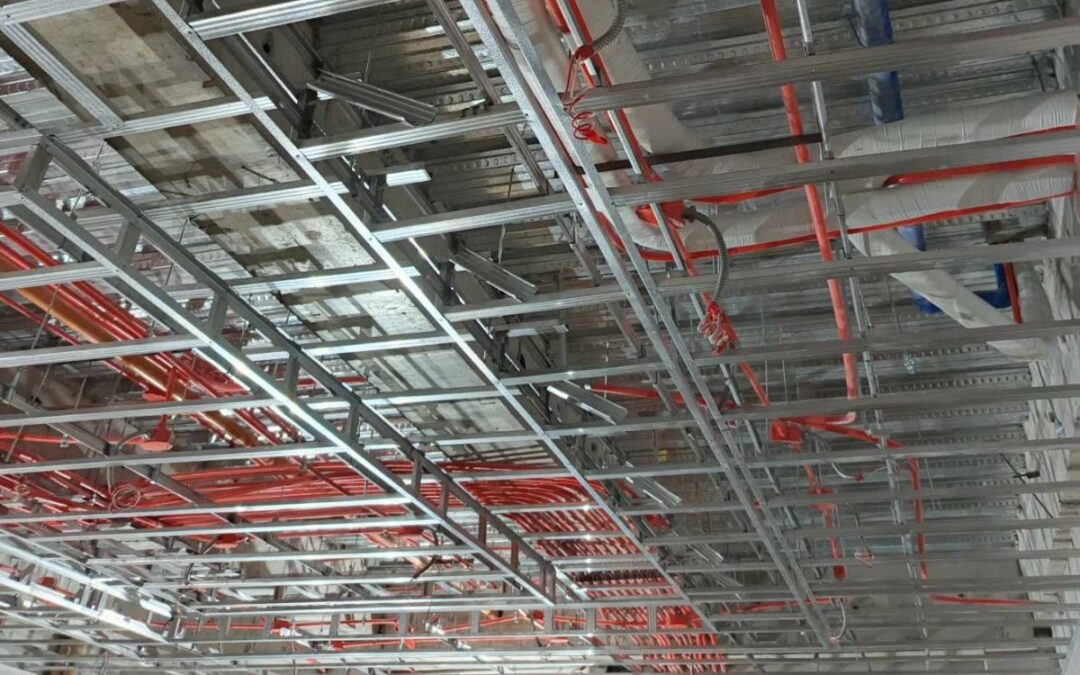
Metal furring systems are essential for creating durable, level ceilings and partitions. As a crucial material in construction, understanding the cost of metal furring is vital for proper planning and budgeting.
That’s why in this article, we will take a closer look at these key elements to help you understand what drives the cost of metal furring and how choosing the right supplier can lead to better value and performance for your next project.
How Much is Metal Furring in the Philippines?
The cost of metal furring in the Philippines typically ranges from ₱100 to ₱250 per piece, depending on various factors. Bulk orders and special project requirements may offer some pricing advantages, but generally, you can expect fluctuations based on material quality, manufacturing processes, dimensions, and current market conditions.
While it may be tempting to choose the lowest-priced options, it is important to recognize that not all metal furring products are made equally. Cheaper materials often compromise durability, which can lead to higher maintenance costs and structural issues down the line.
To make the best decision for your project, it is crucial to consider more than just the initial price tag. Here are some examples of the factors that can affect their prices that you might want to take note of:
Material Quality
High-quality galvanized steel, stainless steel, or other corrosion-resistant metals tend to command a higher price due to their durability and enhanced protection against rust and wear. These materials ensure longer service life, reduced maintenance, and better structural integrity, especially in humid environments common in the Philippines.
This is because cheaper alternatives use thinner metal sheets or lower-grade coatings, which can significantly reduce the lifespan and performance of the furring system. Although initial costs are lower, they often lead to higher repair or replacement expenses over time.
Manufacturing Standards
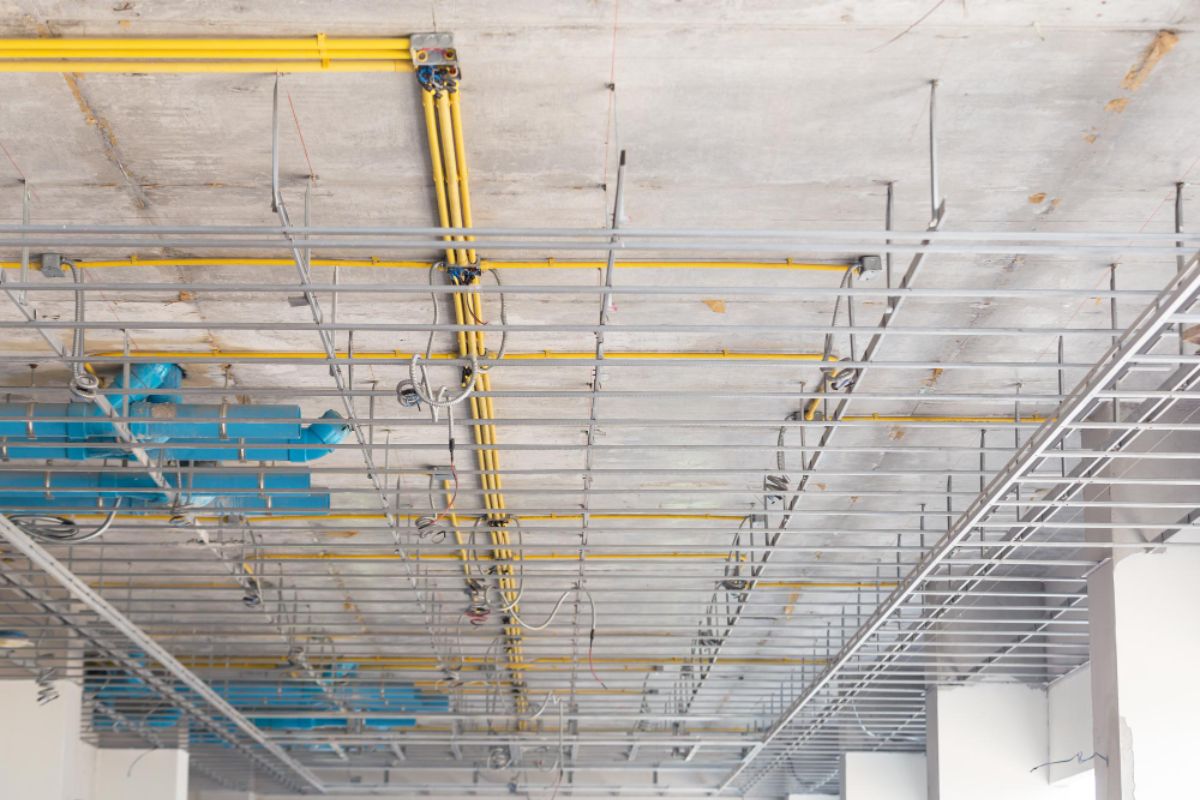
Another important factor influencing the price is the manufacturing standard followed during production. Metal furring produced under strict industry standards, such as those adhering to ASTM, ISO, or other relevant certifications, typically costs more because they undergo thorough quality control and testing processes.
Manufacturers that maintain consistent dimensions, thickness, and structural strength ensure that the furring performs as expected during installation and over the life of the building. Products made with little regard for standards may exhibit inconsistencies, making installation more difficult and increasing the risk of future failures.
Size and Type
Commonly used profiles, such as carrying channels, furring channels, and wall angles, come in different thicknesses, gauges, and lengths—heavier gauges and larger dimensions typically cost more due to the increased amount of raw material used.
For example, a furring channel made with a 0.5mm thickness will generally cost less than a channel made with a 0.8mm thickness, even if they are of the same length. Additionally, specialized types like double furring systems or custom-designed profiles can further increase costs because of the additional labor and fabrication processes involved.
Market Demand and Supply Conditions
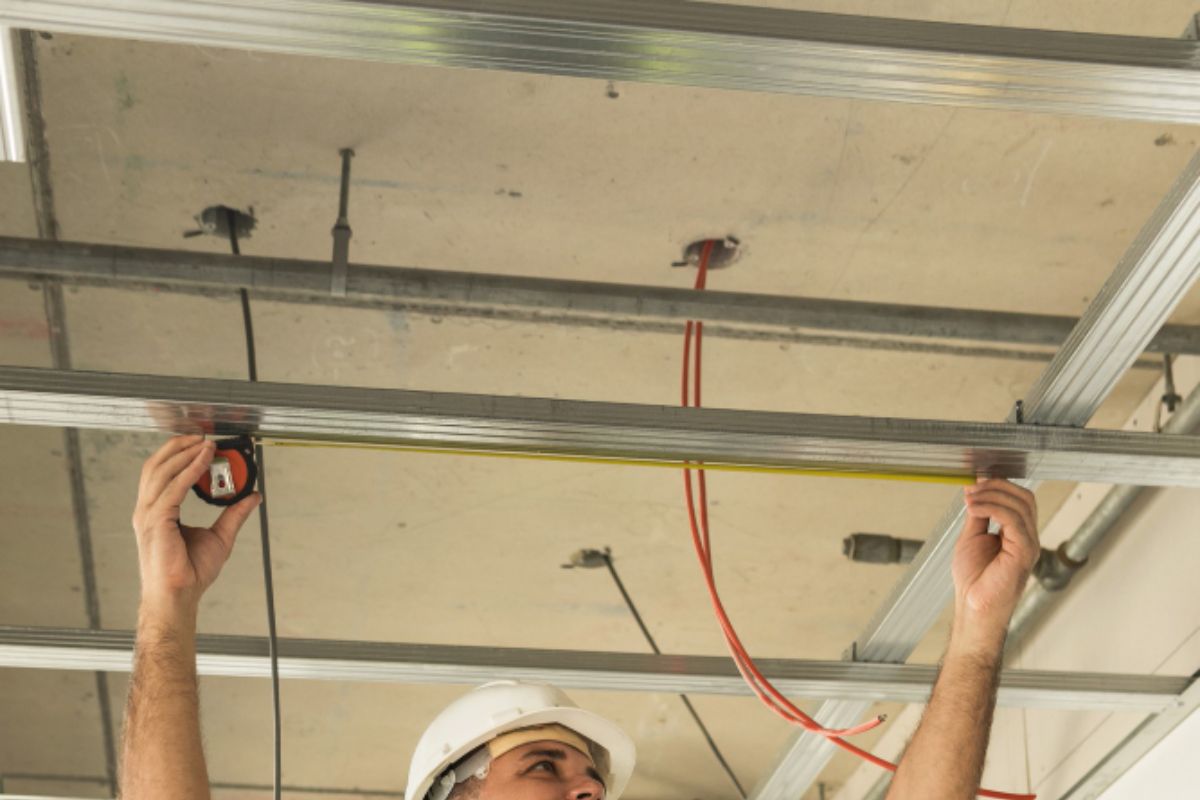
Market forces such as demand and supply conditions also influence the price of metal furring. When demand surges, such as during periods of construction booms, prices tend to rise due to limited supply and increased material costs. Conversely, during periods of low construction activity, prices may stabilize or even drop slightly.
External factors like fluctuations in the price of steel, shipping costs, and even government policies on imports and tariffs also contribute to price variations. Understanding current market conditions when planning purchases can help buyers secure better deals and avoid unexpected cost increases.
Supplier Pricing and Delivery Costs
Different suppliers offer varying price points based on their brand reputation, service quality, product range, and after-sales support. It’s also best to partner with suppliers that offer bulk orders because these usually come with discounted rates, however, there might be additional fees for special orders, customized profiles, or urgent delivery schedules.
When sourcing metal furring, it is important to consider not just the base price but also additional charges that may affect the overall project budget. Comparing quotes from multiple reliable suppliers and understanding what each package includes can help you make a more informed and cost-effective purchasing decision.
Key Takeaway
Understanding how much metal furring is in the Philippines —and what influences it—is essential for making smart construction decisions. By knowing what to look for, you can ensure you are getting the right balance between price and performance, helping you complete your projects efficiently and with long-lasting results.
Choosing the right supplier is also just as important as choosing the right material. That’s why here at Excelcon, we offer premium-grade metal furring systems at competitive prices, providing builders, contractors, and project owners with trusted solutions that deliver outstanding value.
If you are ready to elevate your next construction project with top-quality metal furring, contact our team today. Let’s build stronger, smarter, and better together.
Recent Posts

What Buyers Should Verify Before Finalizing a Metal Furring Order
What should buyers verify before finalizing a metal furring order? Technical specifications Design and site conditions Supplier and logistics Compliance Overview Finalizing a metal furring order is crucial for maintaining a project schedule and meeting quality standards, but overlooking technical specifications, measurements, or delivery logistics can lead to installation issues and increased costs. Before ordering, […]

Key Factors to Consider When Buying Metal Furring for Your Office
What are the key factors to consider when buying metal furring for your office? Material specifications Structural and performance requirements Function within the office Cost and logistics Overview Choosing metal furring for an office requires careful evaluation beyond product labels, as material differences in gauge, coating, and compatibility affect installation efficiency and long-term reliability. Key […]

4 Common Mistakes to Avoid When Choosing Gypsum Boards for Medical Facilities
What are the common mistakes to avoid when choosing gypsum boards for your medical facilities? Using standard boards in wet areas Misinstalling fire-rated assemblies Choosing weak boards for high-traffic zones Neglecting workmanship and compliance Overview Choosing the right gypsum boards for medical facilities requires careful evaluation of factors like moisture resistance, acoustic performance, and fire […]

6 Factors Warehouse Developers Must Weigh When Choosing Ficem Boards
What are the factors warehouse developers must weigh when choosing Ficem boards? Application and location Technical specifications Performance features Cost and installation Aesthetics and design Quality and brand reputation Overview Warehouse projects require Ficem boards that withstand heavy use, moisture, and varying conditions while maintaining safety and operational efficiency. Evaluating application, technical specifications, performance features, […]