How Long Does a PVC Panel Last?
September 6, 2025
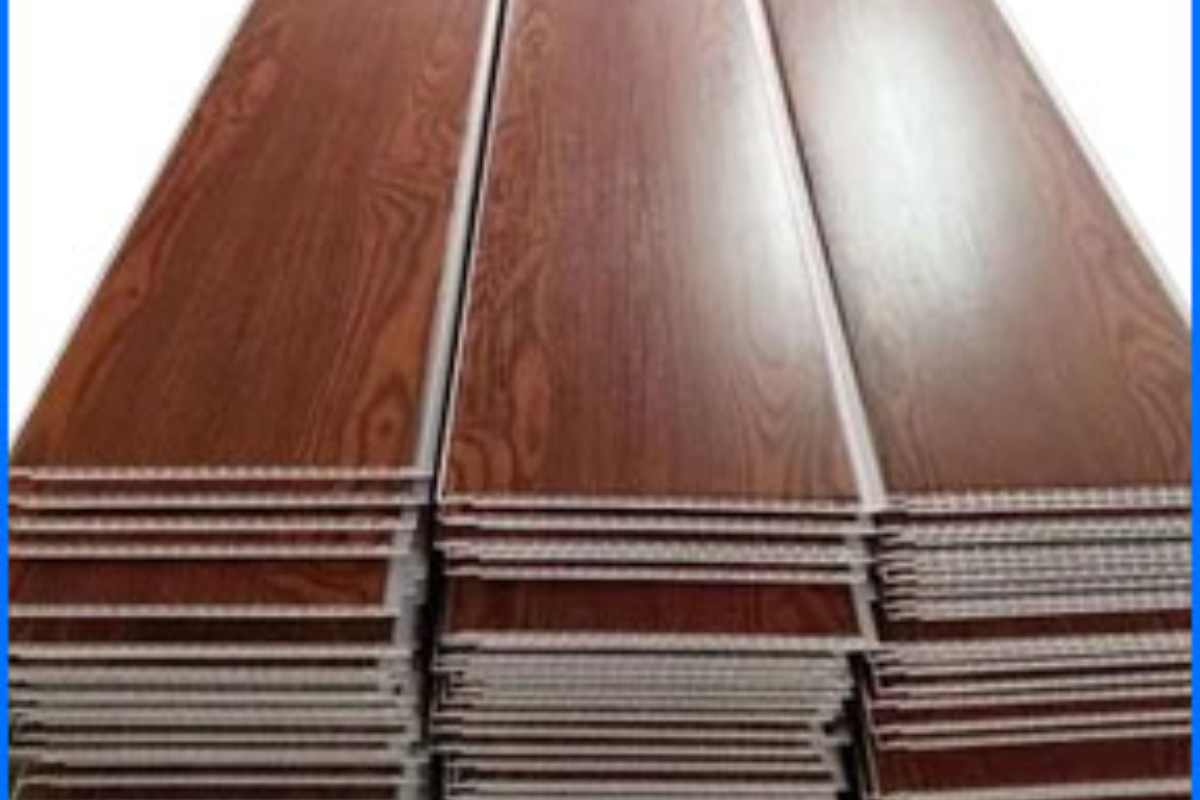
Overview
- PVC ceiling panels can last 10 to 25 years, depending on their material quality, installation, and exposure to moisture or heat.
- With proper care, they remain durable, low-maintenance, and resistant to mold, termites, and corrosion.
- To get long-lasting performance, look for panels with strong material composition, moisture protection, safety additives, and finishes that won’t fade or warp, ideal for both residential and commercial use in the Philippines.
When planning a construction or renovation project, it’s not just about how something looks—it’s also about how long it lasts. This is especially true for ceiling and wall materials, which must endure daily wear, changes in temperature, and, in the Philippines, constant exposure to humidity.
That’s why many builders and property owners now turn to PVC panels. They’re lightweight, easy to install, and known for their low maintenance. But one question often comes up: how long do PVC panels last, especially in local conditions? Let’s take a look.
How Long Does a PVC Panel Last?
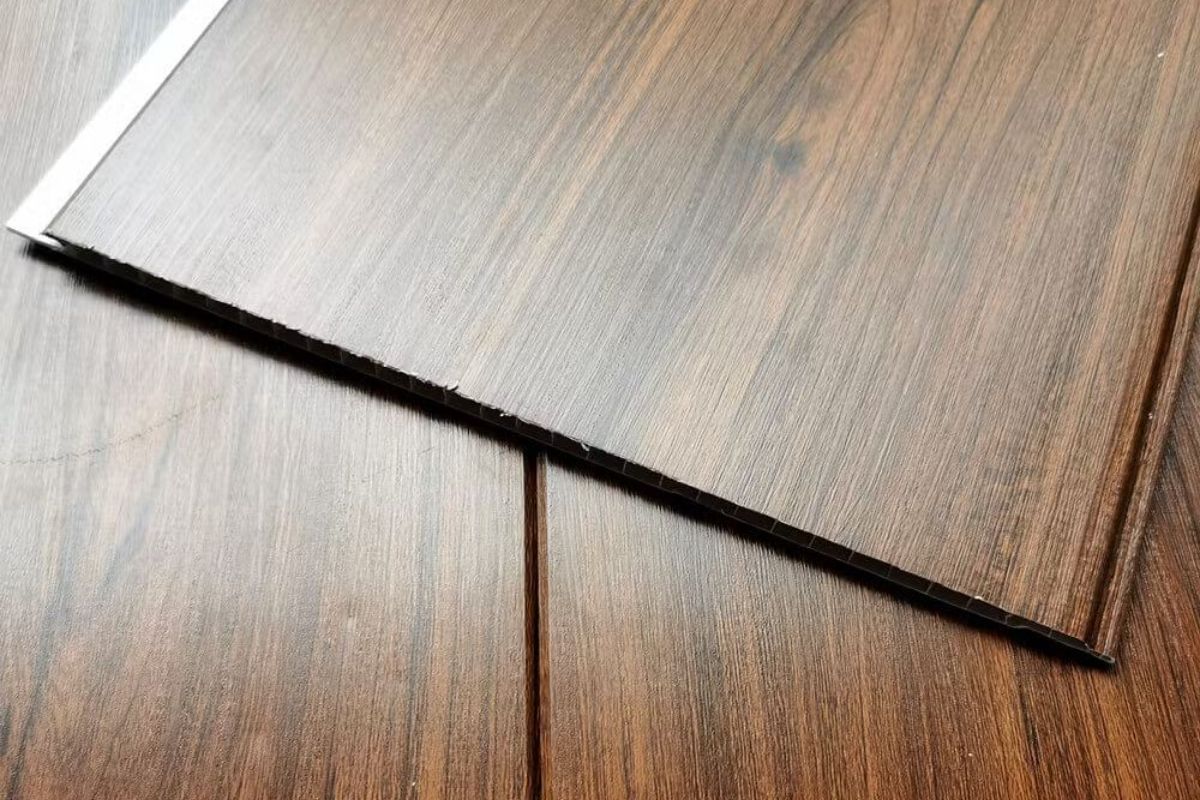
The lifespan of a PVC panel depends on several factors—including material quality, installation method, and environmental exposure—but on average, well-made panels can last anywhere from 10 to 25 years. In indoor applications, especially in areas with proper ventilation and minimal direct sunlight, they tend to hold up even longer.
PVC panels are resistant to moisture, termites, and corrosion, which is why they’re often used in kitchens, bathrooms, and utility areas. Their low-maintenance nature also contributes to longevity—they don’t require repainting or sealing, and a simple wipe-down keeps them clean and looking new.
However, like any building material, their durability still depends on where and how they’re used. High humidity, constant heat, or poor installation can shorten their service life, while choosing a high-quality panel and working with an experienced installer can ensure your ceiling stays in great condition for many years.
What to Look for in a PVC Panel?
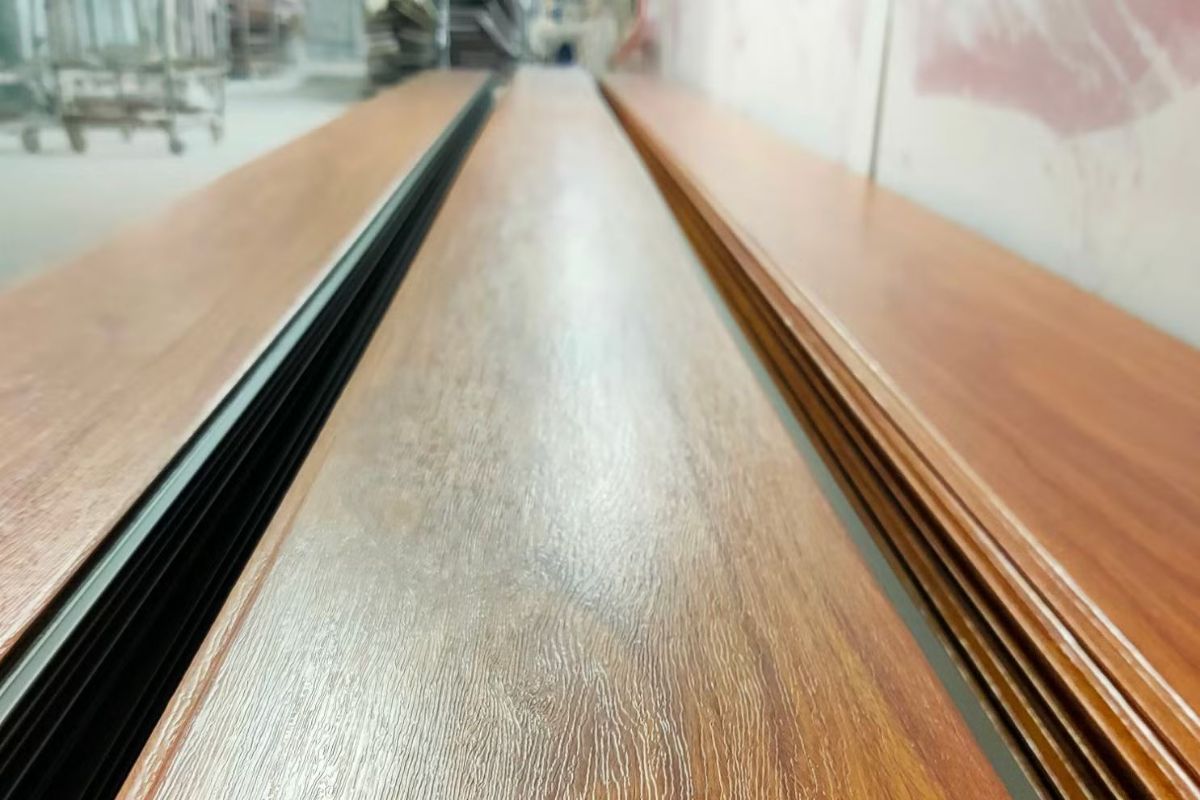
Not all PVC panels are created equal. Whether you’re planning a residential ceiling upgrade or working on a large commercial build, it’s important to evaluate your options beyond just looks.
Here’s what to keep an eye on when selecting PVC panels for your project.
Material Composition
Start with what’s inside. PVC panels made from virgin material generally offer better consistency, strength, and resistance to warping. They’re more stable over time and less prone to surface defects or discoloration.
Recycled or mixed-material panels might come at a lower price, but can compromise durability and lead to faster deterioration, especially in high-moisture environments. If long-term performance is your goal, prioritizing material integrity is key.
Surface Finish and Design
A high-quality PVC panel should have a smooth, even finish with consistent coloring or pattern throughout. Look for designs that align with your aesthetic while ensuring that the coating won’t fade, peel, or stain over time.
Some panels are even designed with embossed or textured surfaces, which can add depth to a room and help hide ceiling imperfections. Others mimic wood, marble, or fabric finishes to match specific design concepts without extra treatment or labor.
Moisture and Mold Resistance
PVC panels are known for their water resistance, but not all offer the same level of protection. Look for panels specifically tested for moisture and mold resistance, especially if they’ll be installed in humid or enclosed spaces.
Choosing moisture-resistant panels not only improves hygiene and indoor air quality but also reduces the chances of repairs or replacements. It’s a practical way to extend your ceiling’s lifespan without ongoing upkeep.
Ease of Installation
Time and labor cost matter, so choosing PVC panels that are easy to install can make a noticeable difference. Panels with tongue-and-groove or interlocking systems reduce installation time and minimize errors, making them ideal for both pros and DIY users.
Lightweight panels are also easier to transport and handle, which helps when working in tight or elevated spaces. Plus, quicker installations mean less disruption to your home or business routine.
Safety and Performance Additives
When evaluating long-term use, safety should be part of the checklist. Look for panels that contain fire-retardant and UV-resistant additives, especially if you’re installing them in kitchens, outdoor-adjacent areas, or sunlit spaces.
These additives may increase the initial cost slightly, but they provide an extra layer of protection that’s worth it. Fire-retardant panels can slow the spread of flame in case of an emergency, while UV resistance prevents yellowing and brittleness over time.
Also consider panels that are formaldehyde-free or low in VOCs, especially in enclosed environments. These safety features support better indoor air quality, particularly in homes, clinics, and childcare facilities.
Where to Find the Best PVC Panels in the Philippines?
Finding quality PVC ceiling panels starts with choosing a supplier that understands both the technical and practical needs of your project. From residential renovations to commercial builds, sourcing from a trusted provider ensures you get panels that meet industry standards for strength, design, and long-term performance.
At Excelcon, we offer a carefully selected range of PVC panels designed to perform in Philippine conditions—durable, low-maintenance, and visually versatile. Our team is ready to guide you through the right options based on your goals, whether you’re looking for clean finishes, textured designs, or panels with added safety features.
Key Takeaway
Understanding how long a PVC panel lasts is about more than just years on paper—it’s about how well it holds up against everyday wear, moisture, and environmental stress. The right panel offers not just a long lifespan, but also consistent performance and visual appeal that stays intact over time.
Need help choosing a reliable PVC ceiling solution? Reach out to Excelcon today for expert guidance and access to our curated range of long-lasting, high-performance ceiling panels, built to suit Philippine conditions.
Recent Posts

What Buyers Should Verify Before Finalizing a Metal Furring Order
What should buyers verify before finalizing a metal furring order? Technical specifications Design and site conditions Supplier and logistics Compliance Overview Finalizing a metal furring order is crucial for maintaining a project schedule and meeting quality standards, but overlooking technical specifications, measurements, or delivery logistics can lead to installation issues and increased costs. Before ordering, […]

Key Factors to Consider When Buying Metal Furring for Your Office
What are the key factors to consider when buying metal furring for your office? Material specifications Structural and performance requirements Function within the office Cost and logistics Overview Choosing metal furring for an office requires careful evaluation beyond product labels, as material differences in gauge, coating, and compatibility affect installation efficiency and long-term reliability. Key […]
4 Common Mistakes to Avoid When Choosing Gypsum Boards for Medical Facilities
What are the common mistakes to avoid when choosing gypsum boards for your medical facilities? Using standard boards in wet areas Misinstalling fire-rated assemblies Choosing weak boards for high-traffic zones Neglecting workmanship and compliance Overview Choosing the right gypsum boards for medical facilities requires careful evaluation of factors like moisture resistance, acoustic performance, and fire […]

6 Factors Warehouse Developers Must Weigh When Choosing Ficem Boards
What are the factors warehouse developers must weigh when choosing Ficem boards? Application and location Technical specifications Performance features Cost and installation Aesthetics and design Quality and brand reputation Overview Warehouse projects require Ficem boards that withstand heavy use, moisture, and varying conditions while maintaining safety and operational efficiency. Evaluating application, technical specifications, performance features, […]