Ficem Board VS Gypsum Board: What to Choose?
September 4, 2025
Overview
- Choosing between board materials requires understanding their differences in strength, moisture resistance, fire performance, and installation.
- For exterior durability or high-impact zones, cement-based boards offer greater resilience, while for quick and cost-effective interior finishes, gypsum boards remain a reliable solution.
Different construction projects call for different material solutions. Whether you’re working on a residential build, a commercial fit-out, or an industrial facility, choosing the right panel material is essential to achieving structural integrity, functionality, and long-term performance.
That’s why in this article, we’ll compare two of the most popular options—Ficem boards and Gypsum boards—to help you identify which board material best meets your construction requirements and make the right choice for your project.
Ficem Board VS Gypsum Board
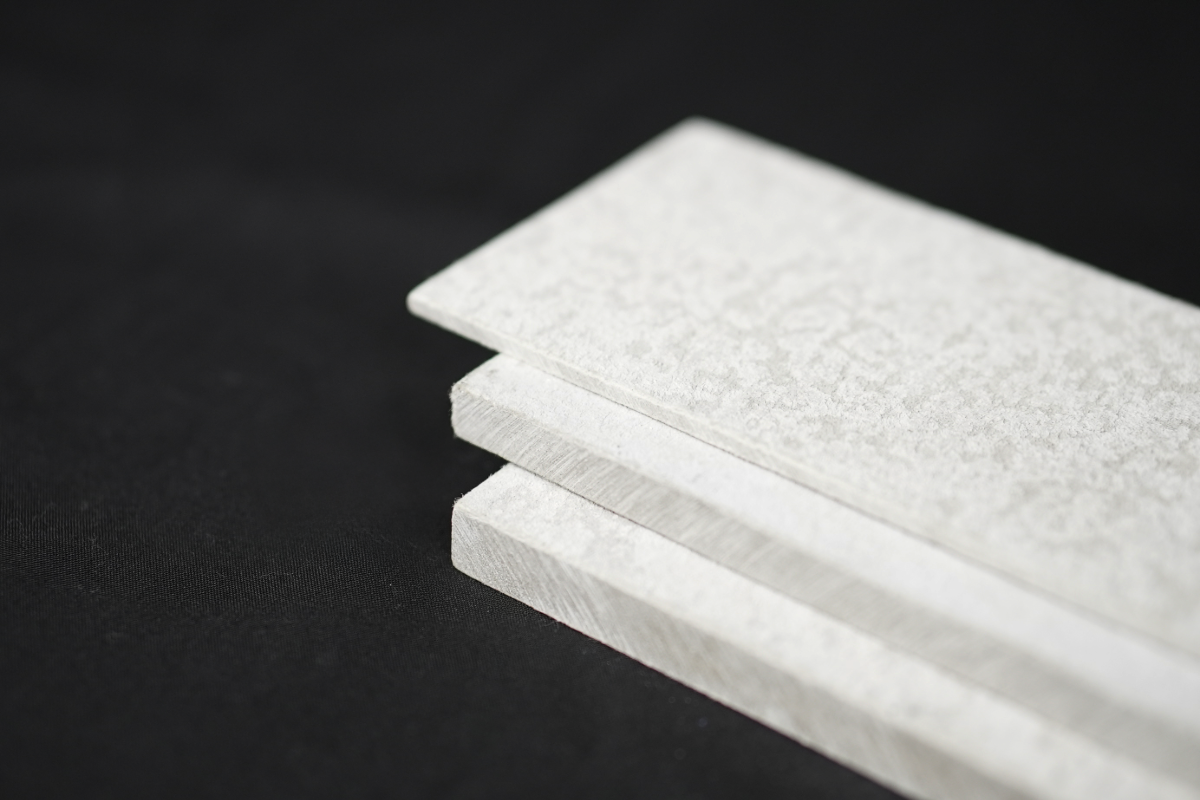
Ficem boards, made from a composite of cement, cellulose fibers, and other additives, are known for their strength, durability, and resistance to moisture, fire, and pests. They are suitable for both interior and exterior use, offering excellent performance in demanding environments such as high-humidity areas, exterior facades, and industrial partitions.
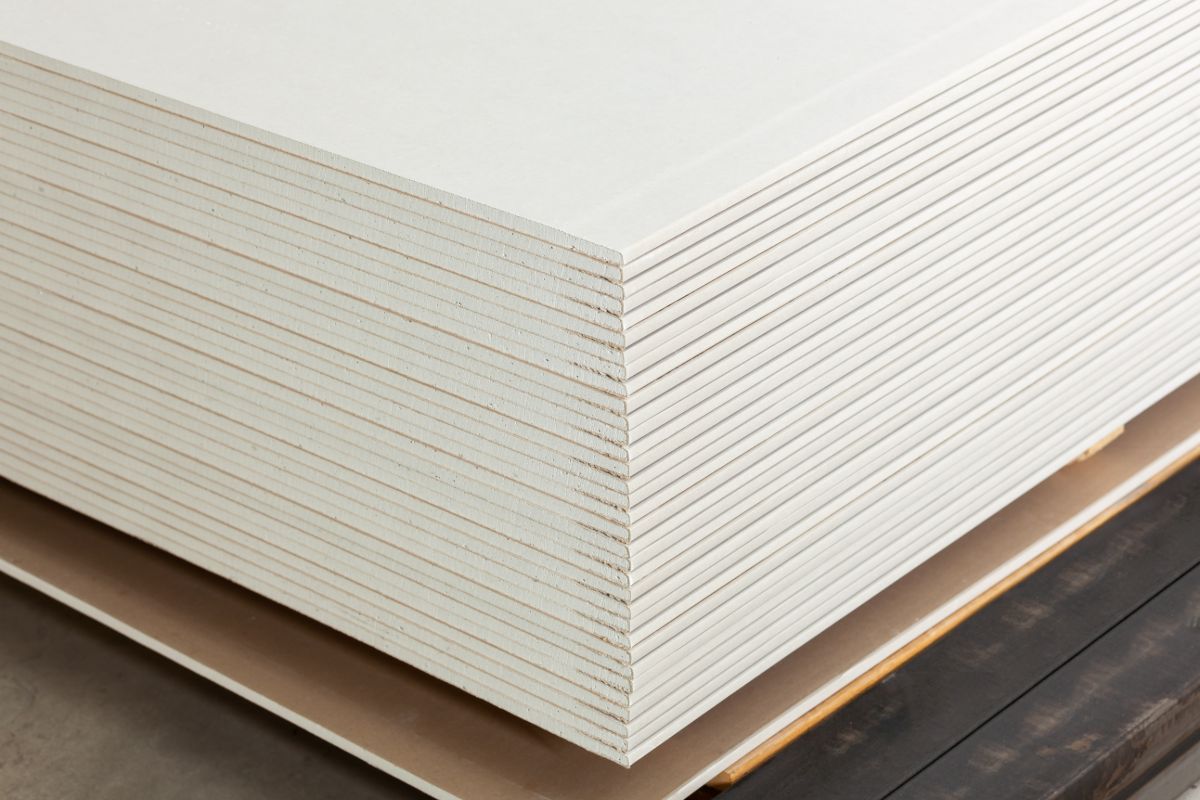
On the other hand, gypsum boards—also known as drywall or plasterboard—are composed of a gypsum core encased in paper. They are widely used for interior wall and ceiling applications due to their ease of installation, smooth finish, and cost efficiency.
While both materials can be used for ceilings and walls, the key differences lie in their composition, performance characteristics, and ideal use cases, making it even more important to know their differences before starting your next project.
What to Consider Before Buying Board Materials?
Choosing between Ficem board and gypsum board involves more than just checking price or availability. Each material has unique strengths that suit specific environments and structural needs.
To make the right decision, it’s important to assess where and how the boards will be used, along with your project’s long-term performance goals. Let’s take a closer look at the key factors to evaluate before making a final selection.
Common Applications
Ficem boards are ideal for heavy-duty applications such as exterior cladding, ceilings in wet areas, partition walls in industrial spaces, and high-impact zones like corridors or public facilities. Their strength and weather resistance make them suitable for both indoor and outdoor environments.
Gypsum boards, on the other hand, are best suited for dry interior applications, such as room partitions, ceilings, and drywall systems. Their smooth finish and lightweight profile support fast installation, especially in residential and office interiors.
Moisture and Weather Exposure
Ficem boards are engineered to perform well in high-humidity and outdoor environments. They resist swelling, warping, and mold, making them a reliable option for bathrooms, kitchens, eaves, and facades exposed to rain or temperature changes.
This is where gypsum boards differ because they are not recommended for areas with consistent moisture exposure. Although moisture-resistant variants exist, they are still limited compared to cement-based boards in terms of water durability and weather resilience.
Load and Impact Resistance
Greater strength and stiffness are typically delivered when Ficem boards are specified. Their cementitious matrix and fiber reinforcement allow for better load distribution and resistance to physical damage, making them well-suited for exterior applications and commercial or industrial partitions.
Where the load is minimal, such as in standard partition walls or ceiling panels in residential areas, gypsum boards may be applied without concern. However, damage from knocks, bumps, or furniture impacts may occur more frequently due to their softer core.
To avoid breakage and preserve the integrity of walls or ceilings over time, it’s important to evaluate the mechanical stress levels the board will encounter.
Fire Resistance and Safety Standards
Non-combustible materials, especially those with higher thermal mass, contribute to delayed heat transfer and better fire containment. When greater resistance is required, stronger protection is achieved through the use of Ficem boards, which can maintain mechanical stability for longer periods under high temperatures.
While gypsum boards also contain fire-resistant properties due to the water content in their gypsum core, they may begin to lose structural integrity once that moisture is driven off during prolonged heat exposure.
For areas requiring passive fire protection—such as stairwells, service shafts, or fire-rated partitions—local fire codes should be consulted, and the board’s fire rating carefully reviewed to ensure compliance.
Ease of Installation and Finishing
Labor efficiency and surface quality are often driving factors in board selection. This is where gypsum boards are perfect. Their lightweight construction allows for quick cutting, mounting, and joint finishing, which is why they are widely favored in commercial fit-outs and residential interiors.
When additional durability is needed, however, heavier materials may be preferred—even though they require power tools, special fasteners, and more manpower to install. This is the case when Ficem boards are used, especially in exterior walls or utility zones, where long-term resilience is more important than installation speed.
Cost and Long-Term Value
Gypsum boards are often more affordable upfront and cost-effective for interior projects that don’t demand heavy performance. Their price and ease of use make them a go-to for residential builds and budget-sensitive renovations.
Ficem boards, while more expensive initially, offer better long-term value in harsh environments. Their resistance to water, fire, pests, and physical wear translates to fewer repairs, lower maintenance costs, and extended service life.
Key Takeaway
The right choice between Ficem board vs Gypsum board ultimately depends on your project’s environment, structural demands, and long-term expectations. By carefully evaluating fire resistance, impact tolerance, moisture exposure, and installation requirements, decision-makers can select a solution that delivers both performance and value.
Need expert advice or supply support? Excelcon provides a full range of high-quality board materials, including both Ficem and Gypsum boards, suited for residential, commercial, and industrial construction. Contact us today to get recommendations tailored to your project needs.
Recent Posts

What Buyers Should Verify Before Finalizing a Metal Furring Order
What should buyers verify before finalizing a metal furring order? Technical specifications Design and site conditions Supplier and logistics Compliance Overview Finalizing a metal furring order is crucial for maintaining a project schedule and meeting quality standards, but overlooking technical specifications, measurements, or delivery logistics can lead to installation issues and increased costs. Before ordering, […]

Key Factors to Consider When Buying Metal Furring for Your Office
What are the key factors to consider when buying metal furring for your office? Material specifications Structural and performance requirements Function within the office Cost and logistics Overview Choosing metal furring for an office requires careful evaluation beyond product labels, as material differences in gauge, coating, and compatibility affect installation efficiency and long-term reliability. Key […]
4 Common Mistakes to Avoid When Choosing Gypsum Boards for Medical Facilities
What are the common mistakes to avoid when choosing gypsum boards for your medical facilities? Using standard boards in wet areas Misinstalling fire-rated assemblies Choosing weak boards for high-traffic zones Neglecting workmanship and compliance Overview Choosing the right gypsum boards for medical facilities requires careful evaluation of factors like moisture resistance, acoustic performance, and fire […]

6 Factors Warehouse Developers Must Weigh When Choosing Ficem Boards
What are the factors warehouse developers must weigh when choosing Ficem boards? Application and location Technical specifications Performance features Cost and installation Aesthetics and design Quality and brand reputation Overview Warehouse projects require Ficem boards that withstand heavy use, moisture, and varying conditions while maintaining safety and operational efficiency. Evaluating application, technical specifications, performance features, […]